

Key points:
- How siblings can positively influence learning, behavior, and emotional growth during ABA therapy when guided with clarity and support.
- Practical ways families can include brothers and sisters without pressure, burnout, or confusion.
- Strategies that strengthen sibling relationships while supporting long-term progress at home and in the community.
Autism affects the entire family, including siblings who often have questions, emotions, and unique roles in the household. Sibling support in ABA therapy helps brothers and sisters feel included rather than overlooked. Without guidance, siblings of autistic children may struggle to understand behaviors or how to interact positively.
Family involvement in ABA therapy focuses on building healthy sibling relationships through education, modeling, and shared routines. Including siblings in therapy strategies promotes empathy, communication, and stronger family bonds. A whole family ABA approach supports not only the child receiving therapy but the emotional well-being of everyone involved.
Why Siblings Matter in ABA Therapy
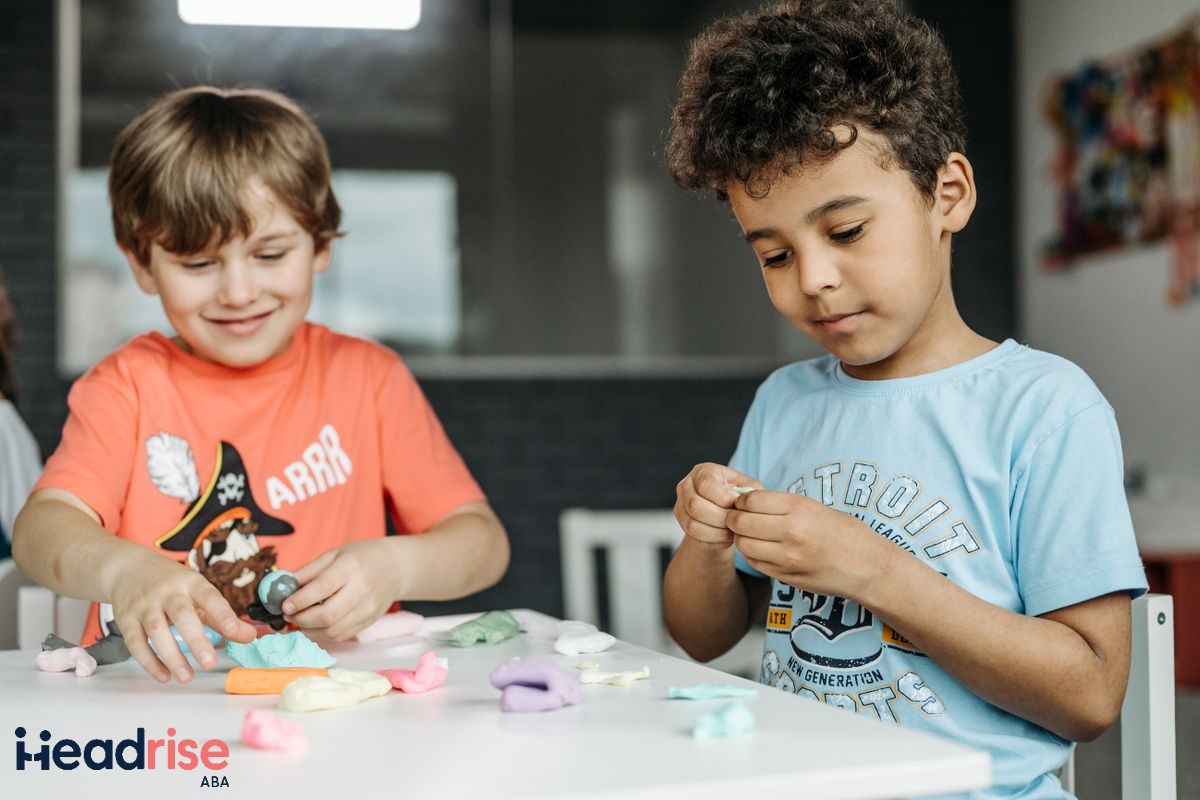
Siblings are often a child’s first peers. They model language, social behavior, emotional responses, and play skills naturally throughout the day. For children in ABA therapy, these daily interactions can reinforce learning in ways that feel organic and motivating.
Research consistently shows that children with autism learn skills faster when those skills are practiced in natural environments. Siblings provide constant opportunities for practice through shared play, routines, and conversations. When families focus on family involvement in ABA therapy, siblings become part of a consistent learning environment rather than a separate world.
For siblings, involvement also answers an unspoken need. Many siblings of autistic children report confusion, worry, or guilt when they are not included in conversations about therapy. Age-appropriate involvement helps siblings feel informed, valued, and connected to the family’s shared goals.
Emotional Experiences of Siblings
Before involving siblings, it is essential to understand what they may be feeling. Siblings experience a wide range of emotions, often at the same time.
Common emotional experiences include:
- Pride in their sibling’s progress and achievements
- Frustration during challenging behaviors or disrupted routines
- Jealousy related to attention, time, or resources
- Fear or worry about the future
- Confusion about differences and expectations
These emotions are normal. When left unaddressed, they can affect sibling relationships and overall family harmony. Supporting siblings emotionally is a core part of sibling relationships in autism support, not an extra task.
Open conversations, validation, and reassurance help siblings process their experiences. Families that acknowledge sibling emotions create safer spaces for honest communication and long-term resilience.
Explaining ABA Therapy to Siblings
One of the most helpful steps families can take is explaining ABA therapy in clear, simple terms. Siblings do not need clinical language or technical details. They need understanding that matches their developmental level.
For younger siblings, explanations can focus on fairness rather than sameness. Phrases like “everyone gets help in different ways” help normalize therapy without creating resentment. Older siblings may benefit from more detailed explanations about goals, learning styles, and why certain supports are used.
Effective explanations often include:
- What does ABA therapy help with in daily life
- Why their sibling may need extra support
- How progress looks different for each person
- What siblings can expect at home
This type of sibling education in autism therapy builds empathy and reduces misunderstandings that can strain relationships.
Including Siblings Without Creating Pressure
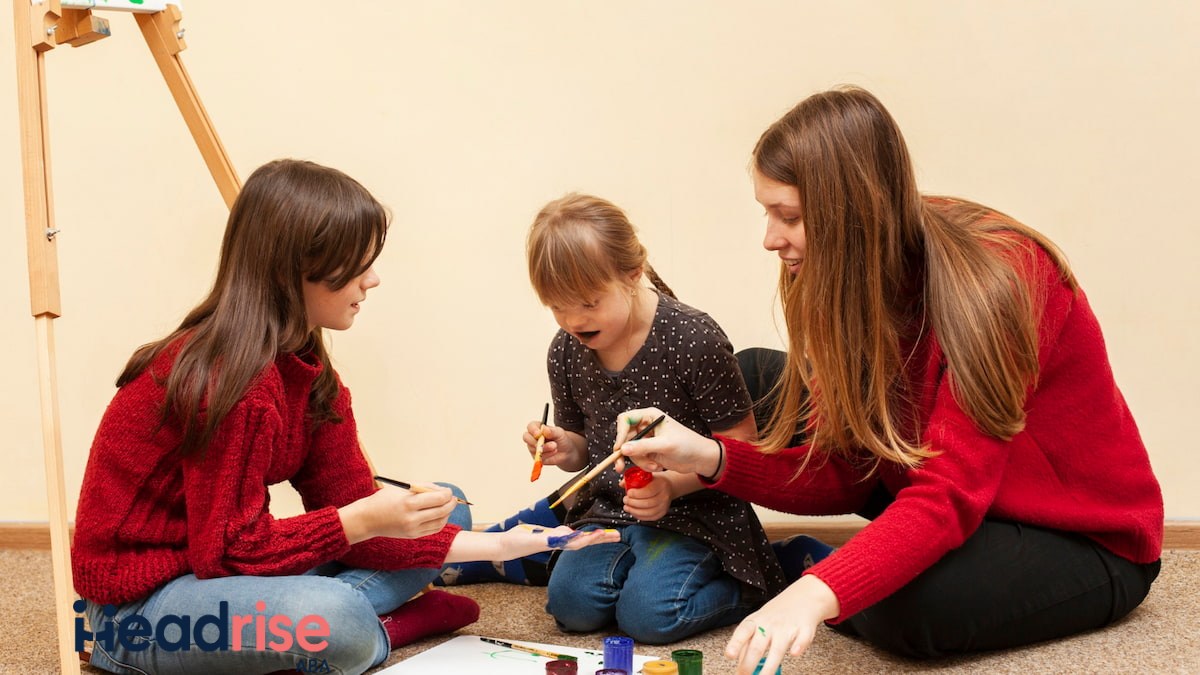
Including siblings does not mean asking them to teach, manage behaviors, or sacrifice their own needs. Healthy involvement respects boundaries and preserves sibling roles.
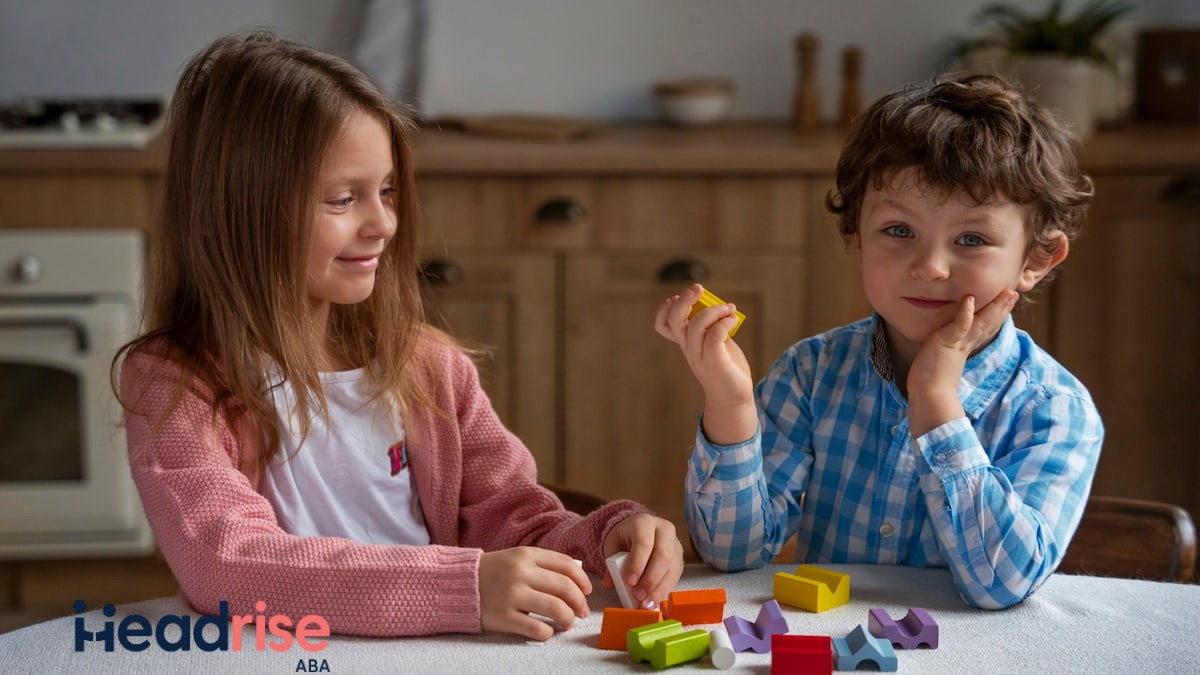
Families practicing including siblings in ABA therapy often focus on natural opportunities rather than structured demands. This might include playing turn-taking games, modeling language during shared activities, or celebrating small successes together.
Helpful boundaries include:
- Siblings are not responsible for therapy outcomes
- Participation should always be optional
- Time for individual interests must be protected
- Praise should be balanced among all children
By maintaining these boundaries, families ensure that involvement feels supportive rather than burdensome.
Practical Ways Siblings Can Support Learning at Home
Sibling involvement works best when it fits naturally into daily routines. Simple interactions can reinforce skills without disrupting family life.
Practical ideas include:
- Playing games that encourage sharing, waiting, or communication
- Modeling calm responses during challenging moments
- Encouraging participation in family routines
- Practicing greetings or social skills during play
These activities support sibling training ABA goals indirectly while preserving the joy and spontaneity of sibling relationships.
Importantly, siblings should never be asked to correct behavior or enforce rules. Their role is connection, not correction.
Supporting Neurotypical Siblings’ Individual Needs
While much attention goes to the child receiving therapy, siblings also need time, attention, and recognition. Families that prioritize sibling wellbeing see stronger overall outcomes.
Ways to support siblings include:
- Scheduling one-on-one time with each parent
- Celebrating sibling achievements unrelated to therapy
- Encouraging peer friendships and hobbies
- Providing safe spaces to express feelings
Supporting siblings individually strengthens family participation in ABA by reducing resentment and emotional fatigue.
Building Positive Sibling Relationships
Strong sibling relationships are built on shared experiences, not therapy goals. Families can intentionally create moments of connection that belong to siblings alone.
Ideas for strengthening bonds include:
- Shared activities based on mutual interests
- Family traditions that include all children
- Opportunities for cooperative problem solving
- Celebrating milestones together
When families focus on relationship building, siblings of autistic children are more likely to develop empathy, patience, and lifelong bonds.
Community and Regional Family Support
Families often benefit from connecting with others who share similar experiences. In areas like New Jersey, coastal communities, and growing family-centered programs, sibling inclusion is becoming a priority.
Families exploring brother-sister autism support in NJ or siblings and autism in Ocean County resources often find peer groups, workshops, and family events that normalize sibling experiences. These connections reduce isolation and provide practical strategies grounded in real-life family dynamics.
Accessing community support reinforces the idea that families are not navigating this journey alone.
A Whole Family Approach to ABA
ABA therapy is most effective when it reflects the realities of family life. A whole family aba approach to Toms River and similar communities emphasizes collaboration, flexibility, and respect for each family member.
In a family-centered ABA services model, siblings are acknowledged as individuals with their own needs, strengths, and roles. Therapy goals align with family values, routines, and long-term well-being.
This approach recognizes that progress is not measured only by data, but by harmony, understanding, and sustainable growth at home.
Balancing Structure and Flexibility
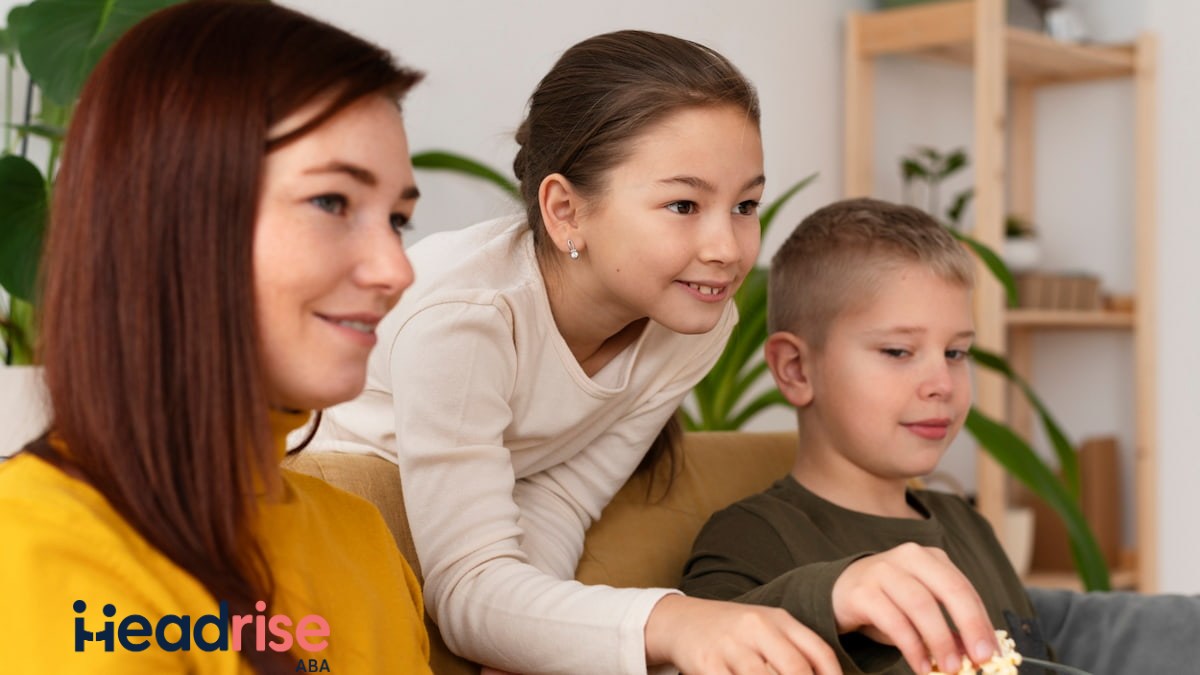
Families often worry about doing everything “right.” In reality, balance matters more than perfection. Structure provides consistency, while flexibility allows siblings to remain children first.
Helpful balance strategies include:
- Clear routines with room for spontaneity
- Predictable schedules that include free time
- Flexibility during emotional or developmental changes
- Ongoing communication among family members
This balance supports family involvement in ABA therapy without overwhelming anyone.
Long-Term Benefits of Sibling Inclusion
When siblings are supported appropriately, the benefits extend far beyond childhood. Siblings often grow into advocates, allies, and confident individuals with strong emotional intelligence.
Long-term benefits include:
- Stronger family bonds
- Improved communication skills
- Greater empathy and adaptability
- Reduced sibling conflict over time
Thoughtful sibling support in ABA therapy creates a foundation for lifelong connection and understanding.
Frequently Asked Questions
How can I explain ABA therapy to my child’s siblings without overwhelming them?
Use simple, honest language that matches their age. Focus on everyday goals like communication or independence, and reassure them that everyone in the family receives support differently.
Do siblings need formal training to help with ABA therapy at home?
No. Siblings should never feel responsible for therapy. Natural play, modeling positive behavior, and shared routines provide meaningful support without formal training.
What if a sibling feels jealous of the attention given during therapy?
Acknowledge the feeling openly and without judgment. Schedule regular one-on-one time and ensure each child’s achievements are recognized and celebrated equally.
Can sibling involvement improve therapy outcomes?
Yes. When siblings are included naturally, skills generalize more easily into daily life, supporting progress while strengthening relationships.
How do I support siblings emotionally while managing therapy demands?
Prioritize open communication, individual time, and emotional validation. Supporting siblings’ wellbeing strengthens the entire family system and sustains long-term progress.
Progress Grows Faster When Families Grow Together
ABA therapy is most powerful when the entire family feels supported. Siblings play an important role in daily learning.
At Headrise ABA, we encourage family-centered ABA services that include sibling education and participation. Headrise ABA helps families build understanding, strengthen sibling relationships, and create supportive home environments.
When families learn together, progress feels shared. Contact us, connect with a team that supports every member of your family.