


Key points:
- Signs of autism in girls often look different from the traits most screening tools were originally built to catch in boys.
- Many girls learn to copy peers closely enough that traits get missed at school, even while struggles continue at home.
- Getting an evaluation from someone familiar with how autism shows up in girls can make a real difference in getting an accurate answer.
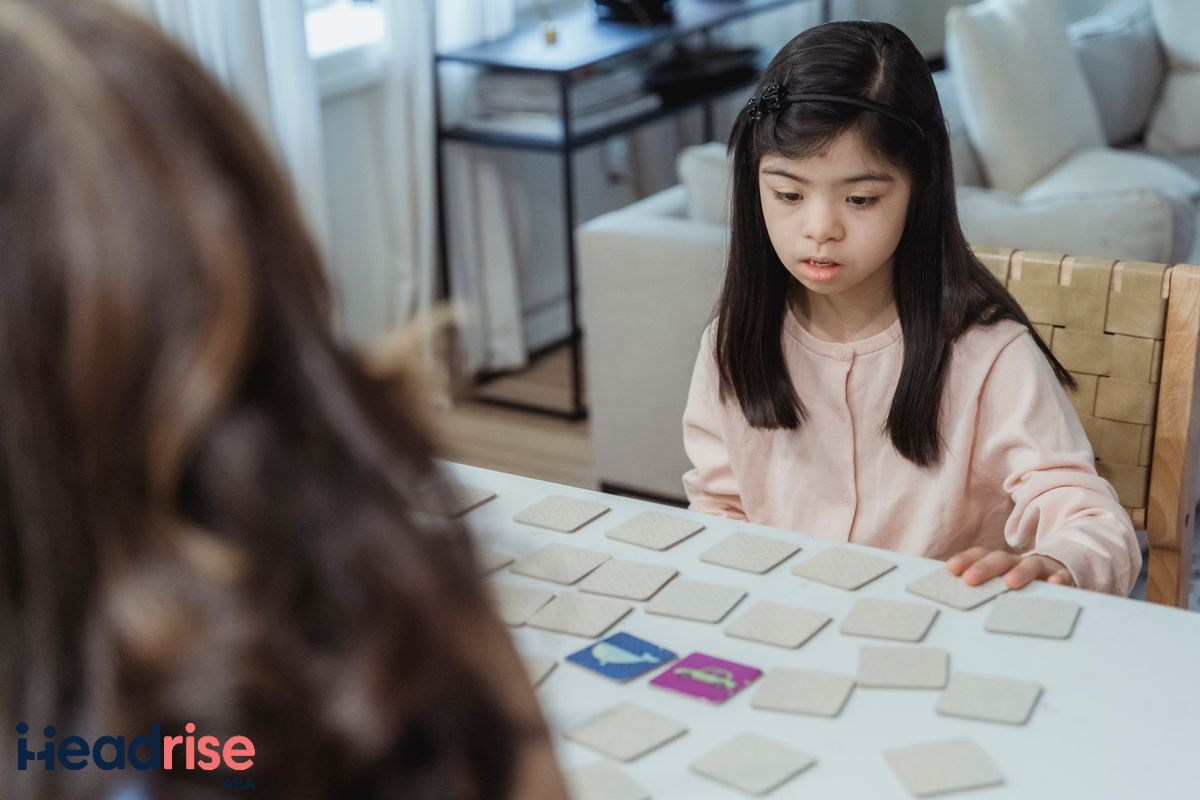
Parents of girls often hear the same thing during a screening. Your daughter makes eye contact, has friends, and does fine in class, so autism seems unlikely. Yet signs of autism in girls frequently hide behind exactly these observations, since many girls learn to blend in at school while struggling more visibly at home.
This guide walks through what tends to get missed, why it happens, and how to get an evaluation that looks past the surface. If something has felt off for a while despite reassurance from teachers, you are not imagining things.
Common Signs of Autism in Girls
Social and Communication Patterns
Girls with autism often hold conversations and maintain some eye contact, which can mask deeper struggles with back-and-forth social exchange. Our services page covers assessment options if these patterns sound familiar in your own daughter.
The struggle often shows up in the details rather than the surface. A girl might chat easily about a shared interest, then go quiet or feel lost the moment a conversation shifts somewhere unplanned.
Play and Interest Patterns
Special interests in girls often look ordinary on the surface, such as animals, books, or a particular show, but the intensity and rigidity around that interest tend to stand out once you look closely. Early signs worth understanding apply to girls too, even though the examples given often center on boys.
Autism Symptoms in Girls vs Boys
Where Symptoms Tend to Overlap
Autism symptoms in girls and boys overlap more than people assume. Sensory sensitivities, difficulty with transitions, and a need for routine show up across genders in fairly similar ways.
Where Presentation Differs
The difference tends to show up in social camouflage. Girls often observe and copy peers more closely, which can make symptoms less visible to a teacher during a short classroom observation. Building social skills looks different when a child has already learned to mimic social behavior without fully understanding it. Our team pays close attention to this distinction during assessments.
Why Autism Is Often Missed in Girls

How Diagnostic Tools Were Built
Why autism is often missed in girls traces back partly to how diagnostic criteria and screening tools were developed, largely using research samples made up mostly of boys. Traits common in girls did not always fit neatly into those original categories.
Newer research has started to close this gap, and more evaluators now train specifically on how autism shows up differently across genders, though the shift is still catching up in a lot of clinical settings.
How This Plays Out at School
A teacher watching a quiet, well-behaved girl who struggles socially may see a shy student rather than a student showing autism traits. Our FAQ page covers a few more specifics on how evaluators are starting to account for this gap. Reading through how a full evaluation works can help you know what questions to raise if you suspect this pattern in your own daughter.
Understanding the Female Presentation of Autism
Special Interests That Look Typical
The female presentation of autism often includes special interests that fit in more easily with peer culture, which makes the intensity behind that interest easy to miss during a casual conversation.
Friendships That Take More Effort Than They Appear To
A girl might have friends, yet find every interaction more effortful than it looks from the outside. Reading through the diagnosis process helps set expectations for what an evaluator should be looking for in situations exactly like this one. Families across New York run into this exact pattern often, especially once a daughter reaches upper elementary school.
What Autism Masking in Girls Looks Like
Copying Peers to Fit In
Autism masking in girls often means closely studying how other kids act, then rehearsing that behavior in social situations. This can look like fitting in perfectly during the school day, followed by exhaustion or meltdowns once your daughter gets home.
This gap between school and home behavior confuses a lot of parents at first, since it can feel like two completely different children depending on the setting. Both versions are real. One is simply costing a lot more effort to maintain.
The Cost of Masking Over Time
Masking takes real energy, and the toll often shows up as anxiety, fatigue, or emotional outbursts after school rather than during it. Sensory support strategies can help address some of what is driving that exhaustion in the first place, whether delivered through in-home sessions or another setting.
Getting an Autism Diagnosis for Girls in New York and New Jersey
Finding a Provider Familiar With Female Presentation
Autism diagnosis for girls in New York and New Jersey goes more smoothly with an evaluator who specifically understands how masking and camouflaging affect testing results. Ask directly whether a provider has experience evaluating girls before booking an appointment.
A provider unfamiliar with this pattern may rely too heavily on a single classroom observation, missing exactly the traits a parent has been trying to describe for years.
What to Bring to an Evaluation
Bring specific examples from home, not just school reports, since a school observation alone often misses what you see daily. Parent training and support can also help once services start, and involving siblings through family-focused strategies often helps the whole household adjust together.
Overlooked Signs of Autism in Girls Worth a Second Look
Subtle Signs Parents Often Dismiss
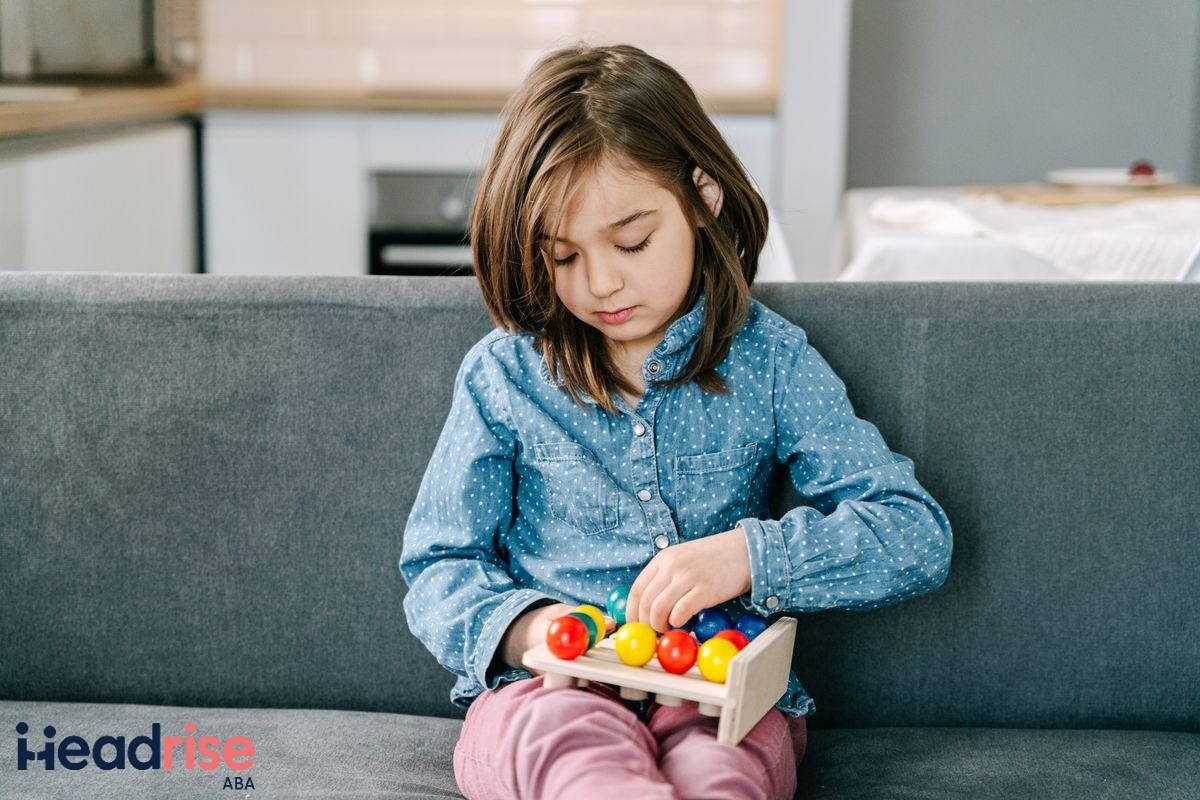
Overlooked signs of autism in girls tend to include things like intense friendships that fall apart suddenly, meltdowns that only happen at home, or exhaustion after a normal school day that seems out of proportion to what happened. A short list worth watching for includes:
- Meltdowns that show up only after school, not during it
- Friendships that feel one-sided or overly scripted
- Strong reactions to small changes in routine
- Exhaustion that seems bigger than the day’s events explains
When to Trust Your Gut
Providers near Brooklyn and Queens hear the same story often: a parent who felt something was different long before anyone else agreed. If reassurance from teachers has never quite matched what you see at home, that gap is worth exploring further.
Frequently Asked Questions
What are common signs of autism in girls that get missed at school?
Girls often mask traits socially, so signs like exhaustion after school, one-sided friendships, or meltdowns at home can be missed by teachers who see a well-adjusted student during the day.
How do autism symptoms in girls differ from symptoms in boys?
Core traits like sensory sensitivity and need for routine overlap a great deal, though girls often show more social camouflaging, which can make symptoms harder to spot during a brief observation.
Why is autism often missed in girls until later childhood?
Diagnostic tools were largely built using research on boys, so traits common in girls did not always fit the original criteria, leading to missed or delayed diagnoses.
What does autism masking in girls look like day to day?
Masking often looks like carefully copying peers at school, followed by exhaustion, meltdowns, or emotional outbursts once your daughter is home and no longer making that effort.
Where can I get an autism diagnosis for girls in New York and New Jersey?
Look for an evaluator with specific experience assessing girls, since understanding of female presentation and masking varies quite a bit between providers.
Trust What You See at Home, Not Just What School Reports
You know your daughter better than a fifteen-minute classroom observation ever could. If something has felt different for a while, that instinct deserves a real evaluation, not another reassurance that everything looks fine on paper.
Headrise ABA works with families across New York and New Jersey to get girls an accurate evaluation and a plan that reflects how autism shows up in daughters, not just sons.
Contact us to talk through what you have been noticing and what an evaluation could look like for your family.