

Key points:
- Children with autism often struggle with social communication, turn-taking, and emotional understanding, and structured ABA teaching helps them learn these skills step by step through guided practice.
- ABA therapy breaks complex social behaviors into smaller lessons, such as eye contact, conversation, and cooperation, helping children practice them in daily situations.
- Consistent social skills ABA therapy in New York and New Jersey can support children in building friendships, improving communication, and feeling more confident during real-life interactions.
Social interaction is a major challenge for many children on the autism spectrum. Everyday experiences such as greeting classmates, sharing toys, or understanding emotions can feel confusing or overwhelming. Autism affects communication, social awareness, and flexible thinking, which makes social relationships harder to develop. Current data suggests about 1 in 31 children in the United States is identified with autism spectrum disorder, highlighting the growing need for supportive interventions that address social development.
Applied Behavior Analysis, often called ABA therapy, focuses on teaching practical skills through structured learning and positive reinforcement. It is widely studied and recognized as an evidence-based approach that supports communication, adaptive behavior, and social growth in children with autism.
For families exploring autism social skills therapy in NY, understanding what children actually learn through ABA can make the process feel clearer and more hopeful. This guide explains how ABA therapy builds social abilities, what skills children practice, and how these lessons translate into real friendships and everyday confidence.
Why Social Skills Are Challenging for Children With Autism
Social interaction depends on many abilities working together at the same time. Children must interpret facial expressions, understand tone of voice, respond appropriately, and follow the rhythm of conversation. For children with autism, these cues may not come naturally.
Many children on the spectrum experience differences in
- Eye contact and shared attention
- Reading facial expressions
- Understanding personal space
- Responding to emotions
- Starting or maintaining conversations
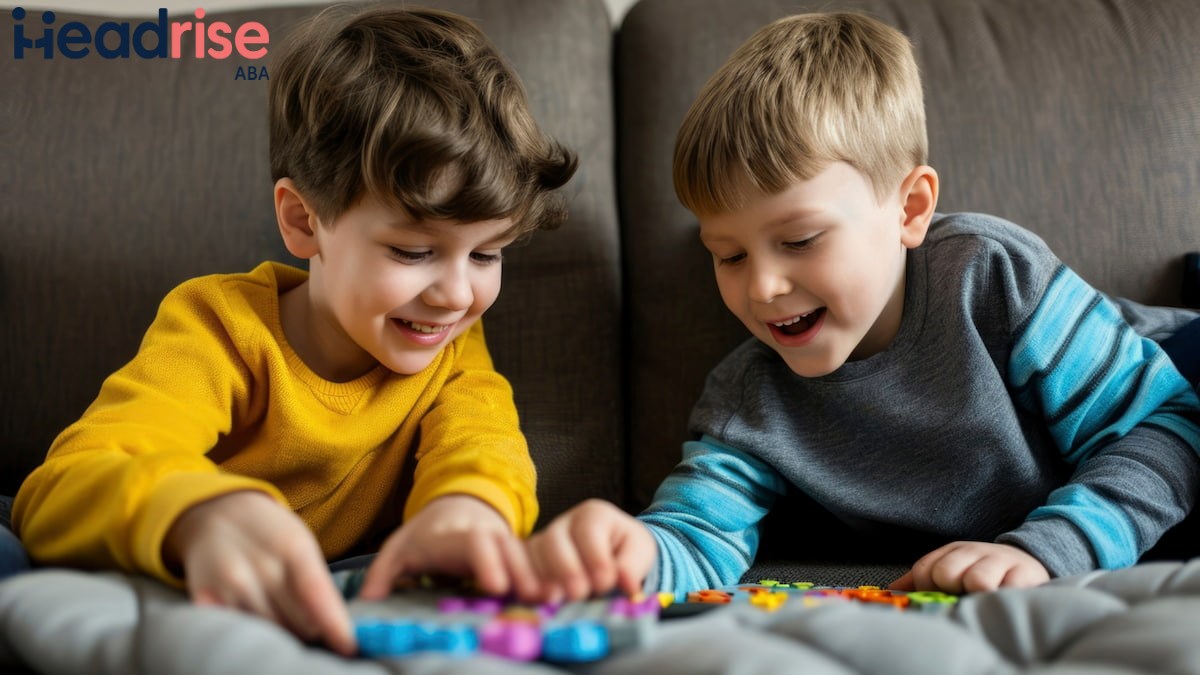
- Taking turns during play
Researchers note that early differences in joint attention and social communication can appear during the first year of life and influence later social development.
Without structured support, children may withdraw from peers, rely heavily on routines, or struggle during group activities. Social skills training for autism in Brooklyn and NJ often focuses on teaching these foundational abilities in a clear and supportive way.
ABA therapy addresses these challenges by turning social interaction into teachable steps.
How ABA Therapy Teaches Social Skills
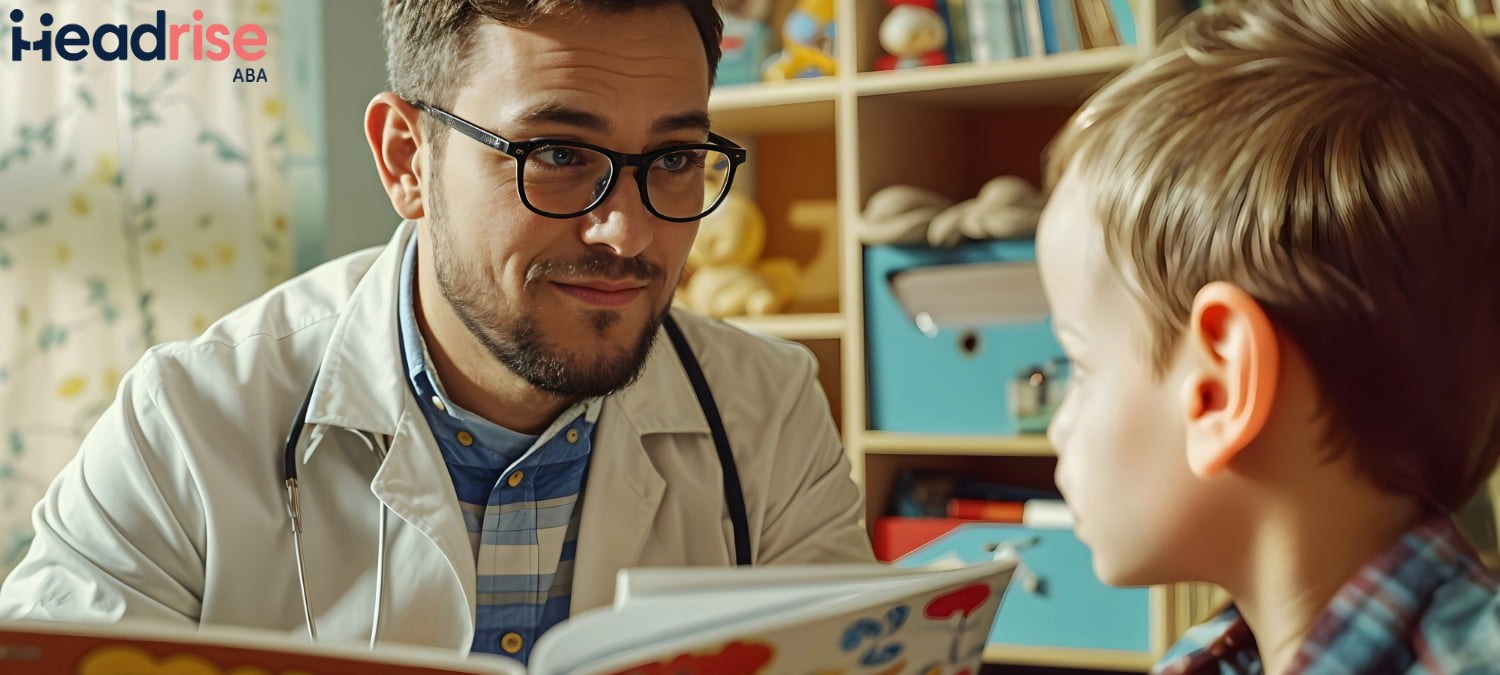
ABA therapy uses evidence-based teaching strategies that help children learn through repetition, modeling, and reinforcement. Instead of expecting a child to master complex social behavior all at once, therapists divide each skill into manageable parts.
Children practice each step many times in a supportive setting.
For example, greeting someone might be broken into
- Looking toward the person
- Saying hello
- Waiting for a response
- Continuing with a short conversation
Each successful attempt receives encouragement or a preferred reward. Over time, these behaviors become more natural.
Research shows ABA-based programs can produce moderate to large improvements in communication, adaptive functioning, and social skills for children on the spectrum.
ABA therapy for social skills in autism in New York often includes structured teaching sessions, play-based learning, and real-life practice so children can transfer new skills into everyday situations.
Key Social Skills Children Learn Through ABA
ABA programs target many areas of social development. Each child receives an individualized plan based on strengths, needs, and age.
Communication and Conversation Skills
Communication forms the foundation of social interaction. Many children with autism struggle with starting conversations or responding appropriately.
ABA therapy teaches
- Asking questions
- Responding to greetings
- Staying on topic
- Taking conversational turns
- Understanding tone and body language
Children practice these skills during structured activities, storytelling, and role-playing scenarios.
As communication improves, social engagement often increases as well.
Eye Contact and Joint Attention
Joint attention means sharing focus with another person, such as pointing at an object together or looking where someone else points.
Children with autism may have difficulty with this skill, which affects language learning and social connection.
ABA therapists teach joint attention through
- Interactive play
- Pointing and following gaze
- Shared games
- Turn-taking activities
These early interactions help children notice social cues and participate more comfortably with others.
Understanding Emotions and Social Cues
Recognizing emotions is a skill many children on the spectrum must learn intentionally.
ABA lessons may include
- Identifying facial expressions
- Matching emotions to situations
- Learning empathy and perspective-taking
- Responding to someone who feels sad or excited
Children practice these concepts through picture cards, stories, and real-life examples.
Play and Cooperation
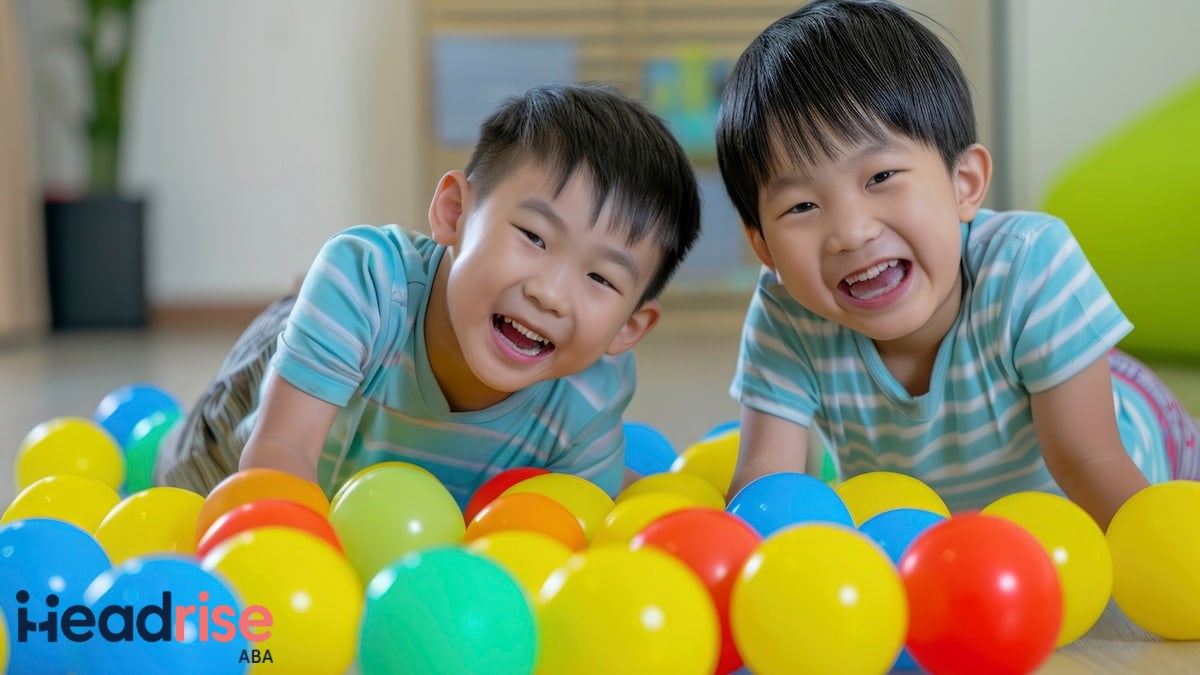
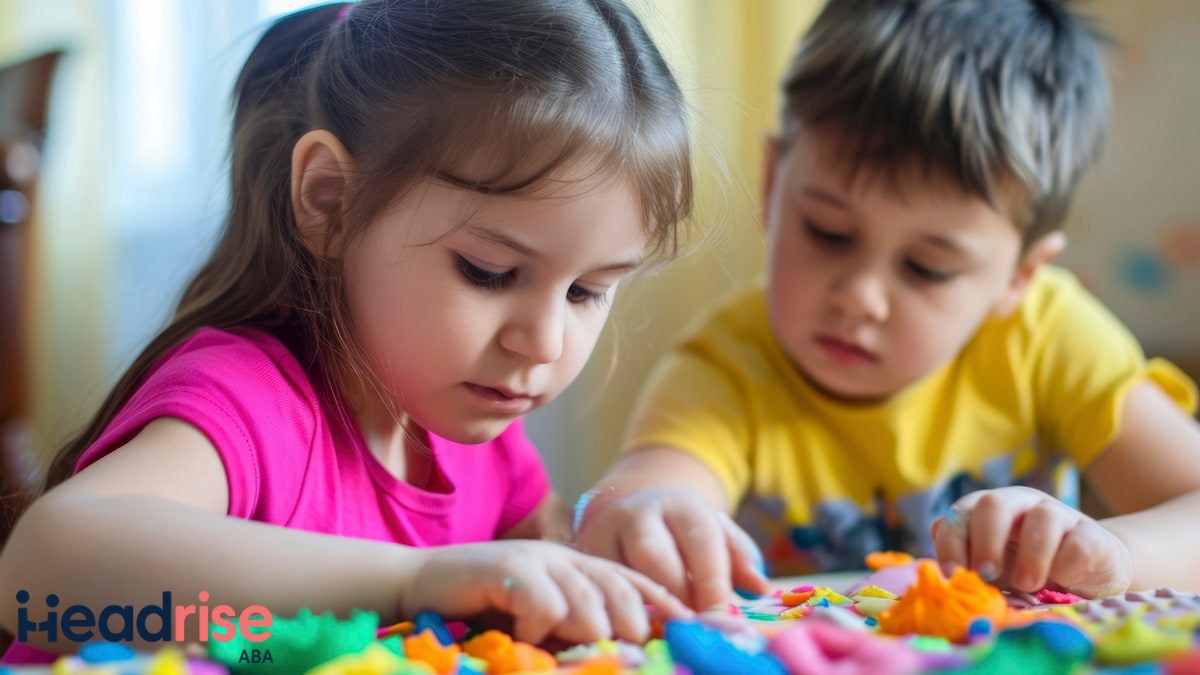
Play provides one of the most natural settings for social learning. Yet children with autism may prefer solitary activities or repetitive play.
ABA therapy encourages interactive play through
- Sharing toys
- Taking turns in games
- Following simple rules
- Engaging in imaginative play
These skills build confidence during peer interactions in classrooms and playgrounds.
Friendship Skills
As children grow, therapy often focuses on developing real friendships. ABA therapy for friendship skills in autism in Brooklyn may involve group sessions where children practice interacting with peers.
Key friendship skills include
- Inviting someone to play
- Joining group activities
- Compromising during disagreements
- Recognizing when someone wants space
- Maintaining conversations with peers
With guidance and repetition, children gradually learn how to build meaningful relationships.
Teaching Methods Used in ABA Social Skills Training
ABA therapy uses several teaching techniques that make learning clear and predictable.
Modeling
The therapist demonstrates the behavior first. A child observes how the interaction works before practicing it independently.
Prompting
Prompts guide children toward the correct response. These can include gestures, verbal hints, or visual supports.
Positive Reinforcement
When a child completes a social behavior, they receive encouragement or a reward. This increases the likelihood of repeating the behavior.
Role Playing
Role-playing scenarios allow children to practice social situations such as introducing themselves or asking to join a game.
Natural Environment Practice
Skills practiced in therapy sessions gradually move into everyday settings such as school, home, or community activities.
These teaching approaches support ABA social skills development in New Jersey by helping children practice interactions repeatedly in real situations.
Why Early Intervention Makes a Difference
Early support plays a powerful role in social development for children with autism. Studies show that interventions started during early childhood can improve language, cognition, and social abilities.
Young brains are highly adaptable, which allows children to develop new skills more easily during the early years.
When ABA therapy begins early, children can learn
- Basic communication skills
- Emotional awareness
- Cooperative play
- Social routines
These abilities form the foundation for friendships, classroom participation, and independence later in life.
Families seeking autism social development with ABA therapy in Brooklyn and Toms River, NJ, often notice that consistent early support helps children engage more comfortably with others.
What Social Skills Progress Looks Like Over Time
Social development happens gradually. Progress may appear small at first, though each step builds toward greater independence.
Early stages may include
- Responding to the name
- Making eye contact
- Imitating simple actions
- Following directions
Later stages often include
- Participating in group play
- Starting conversations
- Understanding humor or sarcasm
- Managing disagreements
A study examining ABA interventions found significant improvements in social communication and daily functioning among participating children.
Families frequently report changes such as their child greeting relatives, playing with classmates, or joining family conversations for the first time.
Supporting Social Skills at Home
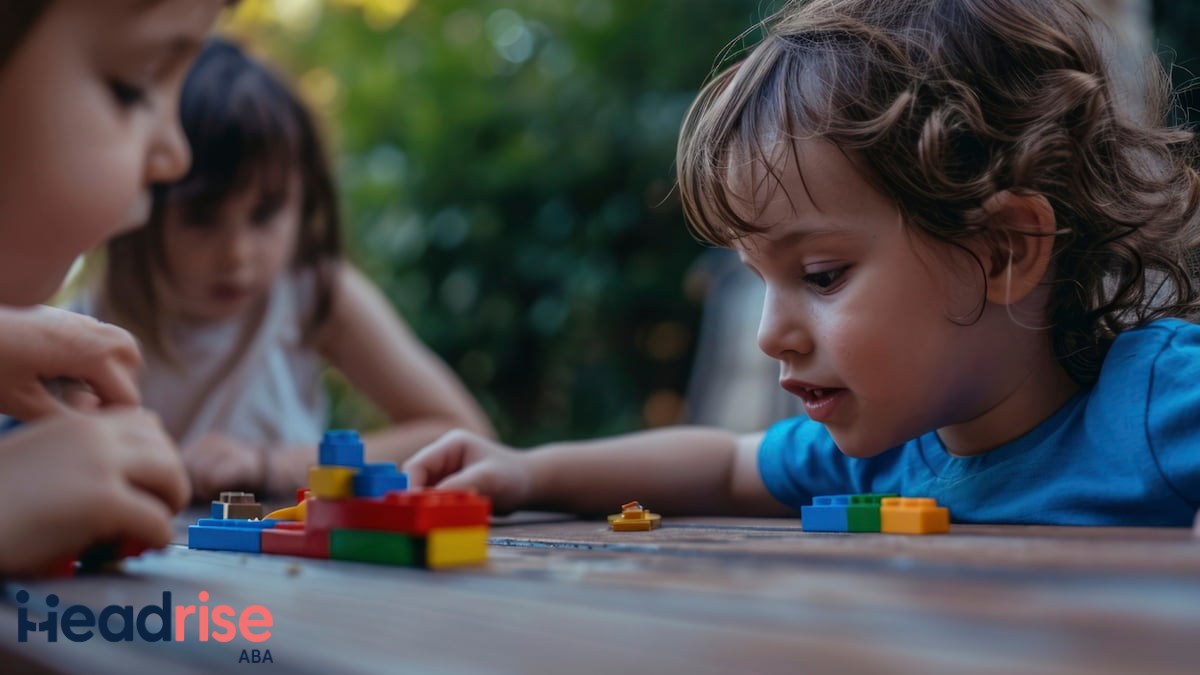
Therapy works best when families reinforce skills outside sessions. Parents play a major role in helping children practice social interactions during daily routines.
Helpful strategies include
- Encouraging simple greetings with neighbors or relatives
- Practicing turn-taking games during family time
- Using storybooks to discuss emotions
- Modeling respectful conversation
- Celebrating small social successes
Consistent practice across home, school, and therapy settings strengthens learning and helps children apply skills naturally.
Many families involved in social skills ABA therapy in New York and New Jersey work closely with therapists to create simple home activities that reinforce therapy goals.
FAQs
What social skills can children learn through ABA therapy
Children often learn communication, eye contact, emotional recognition, turn-taking, and friendship skills. These abilities help them participate more comfortably in conversations, school activities, and peer interactions.
How long does it take for social skills to improve with ABA therapy
Progress varies for every child. Some children begin showing changes within months. Consistent therapy and daily practice often lead to steady improvement over time.
Can ABA therapy help children make friends?
Yes. ABA therapy teaches practical friendship skills such as starting conversations, sharing, cooperating, and recognizing social cues. These abilities support more positive peer relationships.
Is ABA therapy only for young children?
ABA therapy benefits children across many age groups. Early support can produce strong developmental gains, though older children and teens can continue learning important social skills.
How do therapists practice real social situations?
Therapists often use role-playing, group activities, games, and guided peer interactions. These activities help children practice social behaviors safely before using them in real-world settings.
Help Your Child Build Meaningful Connections
Strong social skills allow children to participate more confidently in school, friendships, and family activities. With guidance and practice, many children with autism learn how to communicate, share interests, and build lasting relationships.
At Headrise ABA, clinicians provide autism social skills therapy in NY through individualized programs that teach conversation, emotional understanding, and peer interaction. Families in Brooklyn and New Jersey often seek ABA social skills development in New Jersey programs that combine structured lessons with real-world practice.
Every child deserves the chance to connect with others. Contact our team to learn how social skills ABA therapy in New York and New Jersey can support your child’s confidence and friendships.