


Key points:
- Recognizing developmental differences early allows families to seek evaluations and support during the years when a child’s brain is most adaptable.
- Early behavioral therapy can strengthen communication, social interaction, and daily skills when introduced during toddlerhood.
- Families in New York and New Jersey can access early intervention services before age three, opening opportunities for developmental progress and support.
Parents often notice subtle developmental differences before anyone else. A toddler may not respond to their name, avoid eye contact, or show little interest in playing with others. These moments can raise questions and concerns, especially when other children the same age appear to develop differently.
Understanding the early signs of autism in New York and New Jersey helps families recognize when it may be time to seek guidance. Autism spectrum disorder is a developmental condition that influences communication, social interaction, and behavior patterns. Research indicates that some children may be diagnosed before age 2, and early support can lead to stronger long-term developmental outcomes.
For families in busy regions such as New York City, Brooklyn, or communities across New Jersey, recognizing early warning signs can lead to faster access to services. This article explains what to watch for, how autism may appear in toddlers, and why early Applied Behavior Analysis support can make a meaningful difference for young children and their families.
Understanding Early Autism Development in Toddlers
Autism spectrum disorder affects how children communicate, learn, and interact with others. Symptoms appear during early childhood, often within the first three years of life.
Many children develop social and communication skills gradually during infancy. They begin making eye contact, responding to voices, smiling socially, and babbling before their first birthday. When these milestones develop differently, parents may begin to notice developmental differences.
Health research shows that autism can often be reliably identified by age two. Early developmental differences can sometimes appear in the first year of life through changes in social attention or communication behaviors.
For families monitoring the signs of autism in toddlers in New York, awareness of these patterns can support earlier conversations with pediatric providers and developmental specialists.
Common Developmental Areas Affected by Autism
Autism influences several developmental areas in early childhood
- Communication: Children may have limited babbling, delayed speech development, or difficulty using gestures such as pointing or waving.
- Social interaction: Some toddlers may avoid eye contact, rarely share enjoyment with others, or show little interest in playing with peers.
- Behavior patterns: Repetitive movements, strict routines, or intense focus on specific objects can appear during toddlerhood.
- Sensory responses: Certain children react strongly to sounds, textures, lights, or movement.
These differences vary widely among children. Some toddlers show several early signs, while others display only subtle changes in communication or social engagement.
Early Autism Warning Signs Families Should Watch For
Parents often notice small behavioral differences before formal screening occurs. Recognizing early autism warning signs for NJ and NY families can guide families toward timely evaluations.
Signs During Infancy and Early Toddlerhood
Some indicators may appear during the first 12 to 24 months of life.
Possible early warning signs include
- Limited eye contact with caregivers
- Rarely smiling back during social interaction
- Little response when their name is called
- A few gestures, such as pointing, waving, or reaching
- Delayed babbling or speech sounds
- Lack of interest in interactive games like Peekaboo
- Repetitive body movements such as hand flapping or rocking
Parents sometimes describe their child as preferring objects over people or appearing unusually quiet during social situations.
Signs That May Appear Around Age Two
As toddlers grow, social communication differences may become more noticeable.
Some examples include:
- Speaking very few words by age two
- Difficulty combining words into short phrases
- Limited pretend play or imaginative play
- Strong reactions to small routine changes
- Intense interest in certain objects or activities
- Difficulty following simple directions
These patterns do not automatically mean a child has autism. Development varies across children. Still, noticing patterns early allows families to explore developmental evaluations and support options.
Why Early Intervention Matters for Young Children

Development during the first few years of life happens rapidly. Brain connections responsible for language, social understanding, and learning quickly during this period.
Researchers explain that early childhood brain development is highly adaptable, often described as brain plasticity. This adaptability allows children to build new skills more effectively during early childhood than later stages of development.
Programs that provide autism early intervention in NY and NJ focus on helping children develop essential skills before school age.
Early intervention services often support
- Communication and language development
- Social engagement and play skills
- Emotional regulation
- Daily living skills, such as following routines
- Attention and learning readiness
Research indicates that children diagnosed earlier often show greater improvements in social skills when therapy begins during toddlerhood rather than later childhood.
Early support does not change who a child is. Instead, it gives children tools to communicate, learn, and participate more comfortably in everyday environments.
The Role of ABA Therapy in Early Childhood
Applied Behavior Analysis, commonly called ABA therapy, is widely used to help children develop practical communication and learning skills.
Families exploring early ABA therapy in Brooklyn and NJ often encounter programs that focus on natural play-based learning. Sessions may occur in homes, clinics, or community environments where children practice skills in everyday situations.
Skills Commonly Targeted in Early ABA Therapy
Early behavioral therapy often focuses on foundational developmental skills.
These may include
- Making eye contact during interaction
- Responding to the name
- Using gestures or words to communicate needs
- Following simple instructions
- Participating in play activities with others
- Managing frustration and transitions
Therapy activities often involve structured play sessions in which therapists and caregivers model communication and reinforce positive interactions.
Families are usually involved in the process, learning strategies that help their child practice skills throughout daily routines such as mealtime, playtime, or bedtime.
When Families Should Seek an Autism Evaluation
Many parents wonder when to start ABA therapy in New York or when to pursue a developmental evaluation.
A general guideline is to seek guidance whenever developmental concerns appear, regardless of age. Health organizations recommend acting early rather than waiting for delays to become more noticeable.
Parents may consider requesting an evaluation if their child
- Is not speaking by 18 to 24 months
- Does not respond consistently to their name
- Shows limited social interaction with caregivers
- Stops using skills they previously had
- Demonstrates repetitive behaviors or rigid routines
In the United States, federal law allows children under age three to access early intervention programs that provide developmental services if delays are identified.
Families can request evaluations through their local early intervention system even without a formal autism diagnosis.
Early Intervention Options in New York and New Jersey
Families exploring early autism intervention in Brooklyn and Toms River, NJ, often discover a variety of support pathways available for toddlers.
Early intervention programs typically serve children from birth through age three and may include developmental therapy, speech therapy, and behavioral support.
Services Families May Access
Common early intervention services include
- Developmental assessments
- Speech and language therapy
- Behavioral therapy, such as ABA
- Occupational therapy for sensory and motor skills
- Family education and parent coaching
In many communities across New York and New Jersey, services may occur in the child’s home or daycare environment. This allows children to practice communication and learning skills within familiar settings.
Parents remain central participants in the process. Family involvement allows children to practice skills throughout daily routines, reinforcing progress beyond therapy sessions.
How Families Can Support Early Development at Home
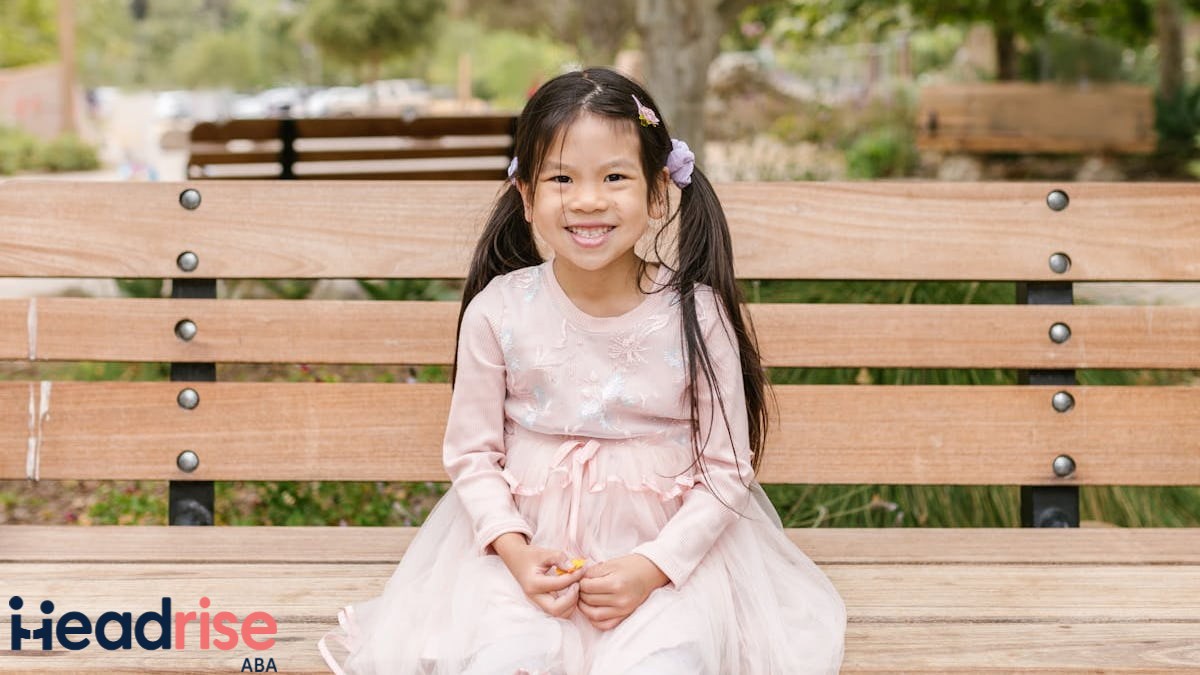
Professional services help children develop new skills, though everyday interactions with caregivers remain one of the strongest influences on development.
Parents can support early learning through simple activities that promote communication and social interaction.
Helpful approaches include
- Narrating daily routines such as dressing, cooking, or playing
- Encouraging turn-taking games
- Reading picture books together and labeling objects
- Using gestures and simple words during play
- Celebrating attempts at communication, including pointing or sounds
These small interactions create opportunities for language and social learning throughout the day.
Families noticing developmental concerns should trust their instincts. Seeking guidance early allows professionals to assess development and recommend helpful resources.
Frequently Asked Questions
What are the earliest signs of autism that parents may notice?
Early signs include limited eye contact, delayed speech, lack of response to name, reduced social interaction, and repetitive behaviors during infancy or toddlerhood.
At what age can autism be diagnosed?
Autism can sometimes be identified as early as age two, though signs may appear earlier. Early screening helps families access developmental services sooner.
Why is early intervention important for autism?
Early intervention supports communication, social learning, and behavior skills during a period when brain development is highly adaptable, improving long-term developmental outcomes.
Can a child receive therapy before an autism diagnosis?
Yes. Many early intervention programs provide developmental support based on delays alone, allowing families to start services while evaluations continue.
How do families start autism early intervention in NY and NJ?
Parents can request developmental evaluations through local early intervention programs or speak with pediatric providers who can guide them toward appropriate services.
Spot the Signs Early, Open the Door to Progress
Recognizing early developmental differences gives families a powerful opportunity to act with confidence. When parents notice early autism warning signs for NJ and NY families, timely guidance can make a meaningful difference in a child’s learning and communication.
At Headrise ABA, our clinicians guide families through early autism intervention in Brooklyn and Toms River, NJ, using individualized ABA strategies that support communication, play, and daily skills. Parents receive practical coaching so progress continues at home, not just during sessions.
Early support builds strong developmental foundations. If you are wondering when to start ABA therapy in New York or nearby communities, our team is here to answer your questions and help your child move forward with confidence.