



Key points:
- In-home vs center-based ABA therapy in New York comes down to your child’s needs, your family routine, and how much peer interaction matters right now.
- In-home care fits naturally into daily routines, while center-based programs offer built-in peer contact and structured group settings.
- Many families end up mixing both settings over time, adjusting as their child grows and treatment goals shift.
Choosing between in-home vs center-based ABA therapy in New York is one of the bigger decisions parents face once a diagnosis comes in. Both settings work. Both have real research behind them. The difference comes down to fit, not which one ranks higher on some list.
This guide breaks down what each setting looks like day to day, where each one shines, and how families typically land on a decision. If you are weighing in-home ABA sessions against a center program, here is what to weigh before you commit. Neither option is wrong, and plenty of families change their minds down the road once they see how their child responds to a given setting.
What Home-Based Autism Therapy in NYC Looks Like
What a Home Session Involves
Home-based autism therapy in NYC brings a therapist directly into your living room, kitchen, or backyard. Sessions are built around your child’s real environment, targeting the exact routines that cause friction, whether that is getting dressed in the morning or sitting through dinner without a meltdown.
Why Families Choose This Setting
Families across New York often choose this setting first, especially for younger children still building basic routines. Our services page covers what a typical in-home plan includes, from session length to how goals get tracked over time.
A therapist working in your space also gets a clear view of what triggers certain behaviors, since the environment causing the trouble is right there in front of them, not described secondhand after the fact.
What Center-Based ABA Therapy in Brooklyn Offers
How a Center Program Works
Center-based ABA therapy in Brooklyn takes a different approach. Instead of working inside your home, your child attends a dedicated space alongside other children in similar programs. This setup builds in peer interaction naturally, since children are working, playing, and practicing social skills side by side.
Who Tends to Choose a Center
Families near Brooklyn and Crown Heights often choose center-based care once a child is a little older and ready for more group-based learning. Structured classrooms also help some children transition more smoothly into school settings later on.
A center also gives parents a short break during the week, which matters more than people admit out loud. Respite time, even a couple of hours, helps caregivers show up with more patience for everything else on their plate.
Comparing the Two Settings Side by Side
Questions to Ask Yourself
An ABA therapy setting comparison in NY usually comes down to a short list of practical questions.
- Does your child do better with one-on-one attention, or do they thrive around peers?
- Is your daily routine flexible enough for a therapist to work around, or does a set schedule at a center fit your family better?
What Tips the Decision
Neither setting outperforms the other across the board. Providers near Queens and Manhattan often recommend starting with whichever setting matches your child’s current comfort level, then reassessing after a few months.
Cost, travel time, and your child’s tolerance for transitions all factor in too. A short commute to a great center sometimes beats a long one to an average program, and the reverse holds just as often.
Benefits of In-Home Autism Therapy in NY
Skills That Transfer Directly Home
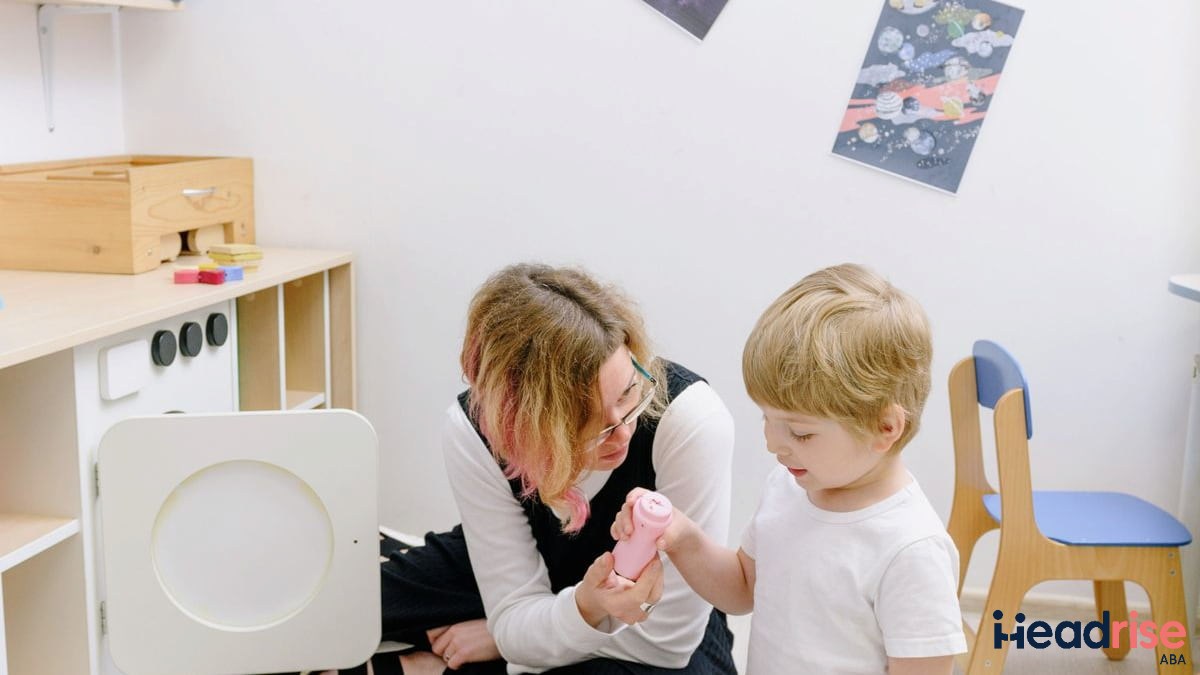
The benefits of in-home autism therapy in NY show up most clearly in daily life. Skills learned during a session transfer directly into the exact environment where your child needs them, since practice happens right there in your kitchen or living room, not in a separate building your child has to generalize lessons back from.
Family Involvement Along the Way
Building routines that stick becomes a lot easier when therapy happens at home. Siblings also get pulled into the process more naturally, and sibling involvement often strengthens the whole family’s approach to supporting your child.
Parents also get a front-row seat to strategies as they happen, which builds confidence fast. Watching a therapist handle a tough moment teaches you more than any handout ever could.
When a Center Might Fit Better
Signs a Center Could Help
Some children do better with a change of scenery and a built-in peer group. A center setting also helps when a home has a lot going on:
- Younger siblings in the house
- A busy household schedule
- Limited quiet space for focused work
Structure and Consistency Benefits
Families in the Bronx and Staten Island sometimes choose a center specifically for that structured, distraction-free environment. Older children preparing for a classroom setting often benefit from practicing in a similar space beforehand.
A center schedule can also simplify life for families juggling multiple kids and activities, since sessions run on a fixed calendar rather than shifting around a therapist’s weekly availability.
Choosing an ABA Therapy Location in New York
Setting Is Not a Permanent Choice
Choosing an ABA therapy location in New York does not have to be permanent. Plenty of families start in one setting and shift to the other as goals change. A toddler might start at home, then move toward a center program once social goals become the priority.
Revisiting the Decision Over Time
Providers serving Long Island and Yonkers can usually support either setting or a mix of both, depending on what your child’s team recommends after an initial assessment.
Do not feel locked into a decision made when your child was two if they are now six and thriving around peers. Reassessing every so often keeps the setting matched to where your child stands today.
Making the Decision as a Family

What to Talk Through Together
The best ABA therapy setting in NYC is the one that fits your specific child, not a general rule that applies to every family. Talk with your child’s team about goals, watch how your child responds to each environment, and stay open to adjusting later.
Trusting What You Already Know
Parent training plays a role no matter which setting you pick, since consistency at home supports progress either way. Our team can walk through both options in detail before you decide on anything.
Trust your read on your own child here. You know them better than any brochure or comparison chart ever will.
Frequently Asked Questions
Is in-home vs center-based ABA therapy in New York a permanent choice?
No, many families start in one setting and move to the other as their child’s goals shift, and some mix both settings depending on the week and what a therapist recommends after reviewing progress.
What are the main benefits of in-home autism therapy in NY?
Skills practiced at home transfer directly into daily routines, since therapy happens in the exact environment where your child needs the skill most, which cuts down on the extra step of generalizing lessons learned elsewhere.
Does center-based ABA therapy in Brooklyn offer more peer interaction than in-home care?
Yes, center settings build in structured time with other children, which supports social skill development in a way home sessions cannot fully replicate, especially for children working toward a classroom placement.
How do I start choosing an ABA therapy location in New York for my child?
Start with an assessment, discuss your child’s specific goals with the team, and consider your daily routine, commute time, and comfort level with each setting before deciding between home and center care.
What is the best ABA therapy setting in NYC for a toddler just starting therapy?
Many toddlers start with in-home sessions to build basic routines first, then transition toward center-based programs later if social goals become a bigger priority as they approach school age.
Home, Center, or Both, We Will Help You Land on the Right Fit
Picking a setting does not need to feel like a permanent decision carved in stone. Your child’s needs will shift over time, and the right setup today might look different in six months. What matters most is starting somewhere and staying open to change along the way.
Headrise ABA offers both in-home and center-based guidance, helping families weigh in-home vs center-based ABA therapy in New York based on real goals, not guesswork.
Reach out to us, and we will help map out which setting makes sense for your child right now.