


Key Points
- Many autistic children experience sensory processing differences that affect daily life, behavior, communication, and emotional regulation in home, school, and community environments.
- ABA therapy combined with structured sensory support can help children understand sensory input, build coping strategies, and reduce stress from overwhelming environments.
- Families can use practical strategies such as sensory routines, calm spaces, and guided exposure to help children navigate sensory experiences with greater comfort and confidence.
Children on the autism spectrum often experience the world through a unique sensory lens. Every day sounds, textures, lights, or movements can feel overwhelming, confusing, or even painful. For many families, these sensory reactions show up as meltdowns, avoidance, strong preferences, or difficulty focusing.
Research shows that sensory processing differences affect a large percentage of autistic children. Studies estimate that between 45 percent and 96 percent experience significant sensory challenges that influence daily functioning. Another large population study found sensory features documented in about 74 percent of autistic children.
Understanding sensory processing in autism and ABA therapy together can give families practical ways to support their child. Behavioral learning strategies and sensory support techniques can work side by side to build skills, reduce stress, and improve participation in everyday life.
This article explains how sensory challenges appear in autism, how ABA therapy addresses them, and how families can combine both approaches for meaningful progress.
Understanding Sensory Processing in Autism
Sensory processing refers to how the brain receives, organizes, and responds to information from the senses. These include sight, sound, touch, smell, taste, movement, and body awareness.
For autistic children, the brain may interpret sensory input differently. This can lead to strong reactions or unusual responses to everyday experiences.
Common sensory patterns include
- Hypersensitivity, intense reactions to sounds, lights, textures, or smells
- Hyposensitivity, reduced response to pain, temperature, or movement
- Sensory seeking, craving certain sensations such as spinning, squeezing, or touching objects repeatedly
- Sensory avoidance, withdrawing from busy or loud environments
These patterns can appear in many areas of life. A child may cover their ears in noisy places, refuse certain clothing fabrics, or seek constant movement.
Sensory sensitivities in autism with ABA support in Brooklyn and similar programs aim to help children gradually understand and manage these responses.
How Sensory Differences Affect Daily Life
Sensory challenges can influence more than comfort. They can affect learning, behavior, and social participation.
Children may experience
- Difficulty concentrating in loud classrooms
- Stress during haircuts or tooth brushing
- Strong reactions to crowded environments
- Trouble transitioning between activities
- Sleep difficulties linked to sensory regulation
These experiences often look like behavior problems, yet they are connected to how the brain processes sensory information.
Understanding the cause helps families choose supportive strategies instead of focusing only on behavior.
What Sensory Overload Looks Like in Autism
Sensory overload occurs when the brain receives more sensory input than it can process comfortably.
Autistic individuals may struggle to filter background noise or visual information, which can create a feeling of overwhelm.
Children experiencing overload may show signs such as
- Covering ears or eyes
- Crying or yelling
- Running away from the environment
- Repetitive movements such as rocking
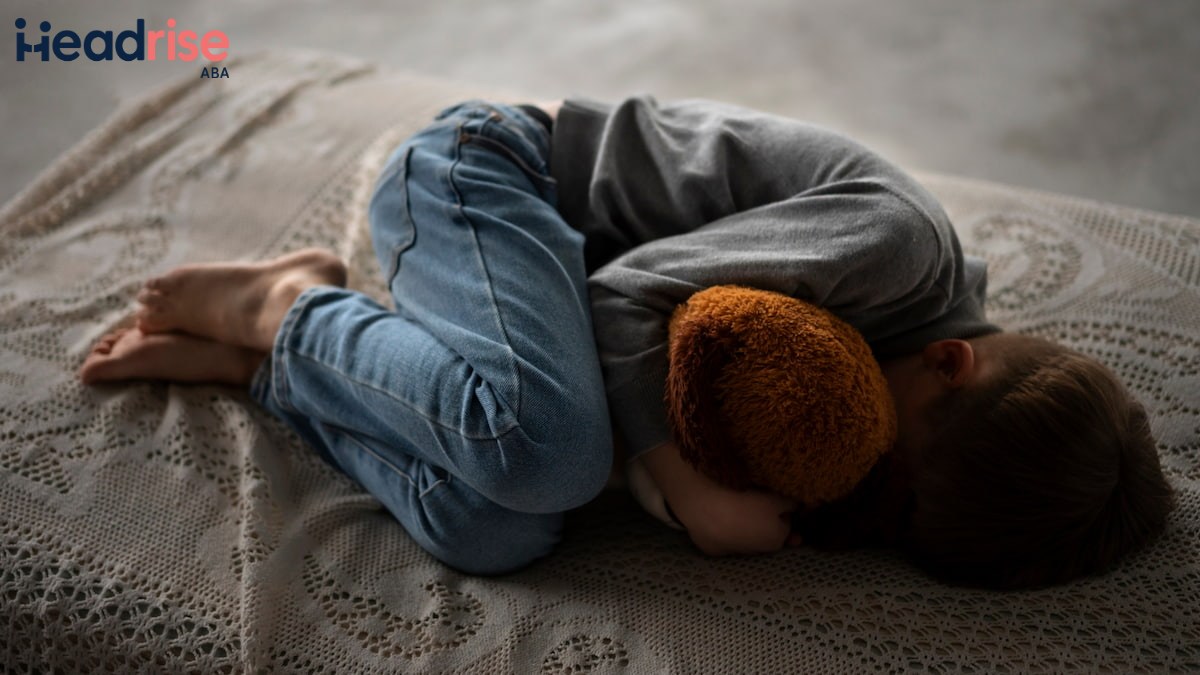
- Meltdowns or emotional shutdown
These reactions are not intentional misbehavior. They are the nervous system responding to intense sensory stress.
Autism, sensory overload, and ABA strategies in NJ and NY often focus on recognizing triggers early and teaching coping skills that help children regain regulation.
The Role of ABA Therapy in Sensory Support

Applied Behavior Analysis focuses on understanding behavior and teaching practical skills through structured learning.
When addressing sensory processing challenges, ABA therapy looks at
- What sensory input triggers stress
- What behavior follows the trigger
- What skills could help the child cope more comfortably
Through observation and data tracking, therapists identify patterns and create individualized plans.
How ABA Helps With Sensory Regulation
ABA therapy can help children build skills that improve sensory tolerance and self-regulation.
These may include
- Gradual exposure to sensory experiences in manageable steps
- Teaching communication skills to express discomfort
- Reinforcing calm responses to sensory input
- Building routines that reduce unpredictability
- Practicing coping strategies during challenging situations
For example, a child sensitive to loud sounds may learn to request headphones, move to a quiet space, or practice breathing strategies.
ABA therapy for sensory processing disorder in NJ programs often combines behavioral teaching with environmental adjustments that reduce stress.
Sensory Environments and Structured Learning
A supportive environment plays a major role in helping autistic children manage sensory input.
Therapy settings designed with sensory awareness allow children to practice skills in a safe, predictable space.
Sensory Gyms and Therapeutic Play
Many programs use specialized spaces filled with sensory equipment that encourage movement and body awareness.
A sensory gym ABA therapy in the New York and New Jersey environment may include
- Swings for vestibular input
- Crash mats for safe jumping or pressure
- Balance equipment to build body awareness
- Tactile stations with different textures
- Climbing structures for movement regulation
These environments help children explore sensations in a controlled way while therapists guide appropriate responses.
The goal is not simply stimulation. It is helping children learn how their bodies respond and how to regulate those responses.
How Sensory Support and ABA Work Together
Behavioral learning and sensory strategies complement each other when used thoughtfully.
Sensory support focuses on meeting the child’s physical and neurological needs. ABA focuses on building skills that help the child navigate those experiences.
Together, they create a balanced approach.
Sensory processing support with ABA therapy in New York programs often combines both methods through
- structured exposure to sensory input
- reinforcement for coping behaviors
- sensory breaks during learning tasks
- personalized sensory diets
- environmental adjustments at home and school
This integration allows children to practice skills in real situations rather than only during therapy sessions.
Practical Sensory Strategies Families Can Use
Families play an important role in supporting sensory development.
Simple adjustments at home can make daily routines smoother and less stressful.
Helpful strategies include
- Creating a calm sensory space with dim lighting and soft textures
- Using noise-reducing headphones during loud activities
- Offering deep pressure activities such as weighted blankets or squeezes
- Providing movement breaks during homework or learning tasks
- Maintaining predictable routines to reduce sensory surprises
Parents observing sensory issues in autism with ABA therapy in Brooklyn, NY, often find that small environmental changes can prevent overload before it begins.
Building Sensory Awareness With Children
Helping children recognize their own sensory needs builds independence.
Parents can encourage this by
- labeling feelings such as “too loud” or “too bright.”
- offering choices between sensory tools
- Teaching children to request breaks
- practicing calming routines together
Over time, children learn how to advocate for their comfort and manage sensory input more effectively.
Why Early Sensory Support Matters

Early support can make a significant difference in how children experience the world. Sensory challenges can influence communication, emotional regulation, and learning readiness.
Addressing these needs early allows children to
- participate more comfortably in school
- develop stronger coping skills
- reduce stress during daily activities
- build confidence in new environments
Families working with programs that address sensory processing in autism and ABA therapy often see improvements in attention, engagement, and independence.
With the right guidance, children can learn that sensory experiences are manageable rather than overwhelming.
Frequently Asked Questions
What are sensory processing issues in autism?
Sensory processing issues occur when the brain interprets sensory input differently. Children may feel overwhelmed by sounds, lights, or textures, or seek intense sensations such as movement or pressure.
Can ABA therapy help with sensory sensitivities?
ABA therapy can help children learn coping strategies, communication skills, and gradual tolerance to sensory experiences. Behavioral teaching combined with sensory support improves regulation and participation in daily activities.
What is a sensory gym in ABA therapy?
A sensory gym is a therapeutic environment with equipment such as swings, mats, and climbing tools. It allows children to explore movement and sensory input while therapists guide safe regulation skills.
How do I know if my child is experiencing sensory overload?
Signs may include covering ears, crying, running away from noise, repetitive movements, or sudden emotional reactions. These behaviors often occur when the environment feels too intense for the child.
Can families support sensory processing at home?
Yes. Parents can create calm spaces, offer sensory tools, build predictable routines, and practice coping strategies with their child. Small adjustments often reduce stress and improve comfort during daily activities.
Turn Sensory Challenges Into Everyday Wins
Sensory sensitivities can make daily environments feel overwhelming for children with autism. Support that respects these experiences can help children build confidence and comfort across home, school, and community settings.
At Headrise ABA, clinicians address sensory issues in autism with ABA therapy in Brooklyn, NY, through personalized strategies that help children manage sound, touch, and movement. Programs may include sensory integration activities, structured routines, and collaboration with sensory gym ABA therapy in New York and New Jersey environments.
With thoughtful guidance, children can learn to navigate sensory experiences more calmly. Contact our team to learn how ABA therapy for sensory processing disorder in NJ can support your child’s growth and daily comfort.