



Key points:
- Many autistic children struggle to fall asleep, stay asleep, or wake too early, which affects learning, mood, and family wellbeing.
- ABA-based strategies focus on changing sleep-related behaviors gently and consistently, helping children develop skills that support longer, more restful sleep.
- Parents can use structured routines, positive reinforcement, and environment adjustments to improve sleep without medication or overwhelming changes.
Sleep challenges are one of the most common and exhausting concerns families face when raising an autistic child. Difficulty falling asleep, frequent night waking, and early morning rising can disrupt daily life, affect emotional regulation, and reduce a child’s ability to learn and cope during the day. For parents, ongoing sleep deprivation often leads to stress, frustration, and worry about long-term health.
This article explains why sleep problems are so common in autism and how Applied Behavior Analysis can help in practical, family-friendly ways. You will learn how behavior-based strategies address the root causes of sleep difficulties, not just the symptoms. The focus is on realistic steps parents can use at home to build healthier sleep patterns over time. By understanding how sleep behaviors develop and change, families can feel more confident, supported, and hopeful about improving nights for everyone.
Understanding Sleep Problems in Autism
Sleep difficulties affect a large percentage of autistic children, far more than in typically developing peers. Common concerns include taking a long time to fall asleep, waking multiple times during the night, and waking much earlier than expected. Some children also experience irregular sleep patterns that shift frequently, making routines difficult to maintain. These challenges are not caused by poor parenting or lack of effort. They are closely tied to how an autistic child’s brain processes sensory input, routines, and change.
Sleep problems can impact attention, learning, emotional control, and physical health. Children who do not sleep well often show increased irritability, repetitive behaviors, and difficulty coping with daily demands. Parents may notice that therapy sessions and school days become harder after restless nights. Understanding that sleep is a skill that can be taught and shaped is an important first step toward improvement.
Why Sleep Is Harder for Autistic Children
Several factors make sleep more challenging for autistic children. Sensory sensitivities play a major role. Small noises, changes in lighting, or certain textures can feel overwhelming at bedtime. What seems minor to adults can keep a child alert and uncomfortable. Differences in circadian rhythms also affect sleep. Some autistic children produce melatonin differently, making it harder to feel sleepy at typical times.
Anxiety and difficulty with transitions further complicate sleep. Bedtime requires shifting from preferred activities to rest, which can feel abrupt and distressing. Many children rely on specific routines or conditions to fall asleep and may struggle when those conditions change during the night. Communication differences can make it harder for children to express discomfort or fears, leading to bedtime resistance or night waking. Recognizing these underlying reasons helps families respond with empathy instead of frustration.
How ABA Addresses Sleep Challenges

Applied Behavior Analysis approaches sleep as a set of behaviors influenced by the environment, routines, and responses from caregivers. Instead of forcing sleep, ABA focuses on teaching the behaviors that support sleep, such as staying in bed, relaxing the body, and following a predictable routine. Sleep behavior in ABA strategies are individualized, meaning they are adapted to each child’s needs, strengths, and sensitivities.
ABA helps identify patterns that maintain sleep problems. For example, a child may learn that calling out at night leads to attention, or that falling asleep with a parent present is the only way to rest. By gently changing these patterns, families can support more independent sleep. The goal is gradual, sustainable improvement rather than quick fixes. Parents are active participants, learning how to respond consistently and calmly to nighttime behaviors.
Core ABA Strategies for Better Sleep
Several ABA-based techniques are commonly used to improve sleep. These strategies are practical and focus on small, manageable changes.
- Establishing consistent sleep and wake times to regulate the body clock.
- Teaching calming pre-sleep behaviors through repetition and modeling.
- Using positive reinforcement for staying in bed or following bedtime steps.
- Adjusting responses to night waking to reduce unintentional reinforcement.
- Gradually fading sleep supports, such as parental presence, over time.
These approaches respect the child’s comfort while encouraging independence. Progress may feel slow at first, but consistency leads to lasting change.
Building Effective Bedtime Routines
A predictable bedtime routine is one of the most powerful tools for improving sleep. Bedtime routines and autism strategies work best when they are simple, consistent, and matched to the child’s sensory needs. The routine should signal that sleep is coming and help the body and mind slow down. Each step should happen in the same order every night, ideally starting at the same time.
Effective routines often include calming activities like bathing, reading, or quiet play. Visual schedules can help children understand what comes next and reduce anxiety. Parents should avoid stimulating activities, bright screens, or unpredictable changes close to bedtime. When routines are followed consistently, children begin to associate these steps with sleep, making transitions easier.
Practical Autism Sleep Interventions at Home
Families can apply autism sleep interventions at home by focusing on the sleep environment and daily habits. The bedroom should be comfortable, predictable, and free from unnecessary stimulation. Blackout curtains, white noise, or weighted blankets may help some children, depending on sensory preferences. Daytime routines also matter. Regular meals, physical activity, and exposure to natural light support healthier sleep patterns.
Parents should observe what happens before, during, and after sleep difficulties. Keeping a simple sleep log can reveal triggers and progress. When changes are introduced, it is important to adjust one factor at a time. This makes it easier to understand what works. Consistency across caregivers is essential, as mixed responses can confuse the child and slow progress.
Supporting Parents Without Burnout
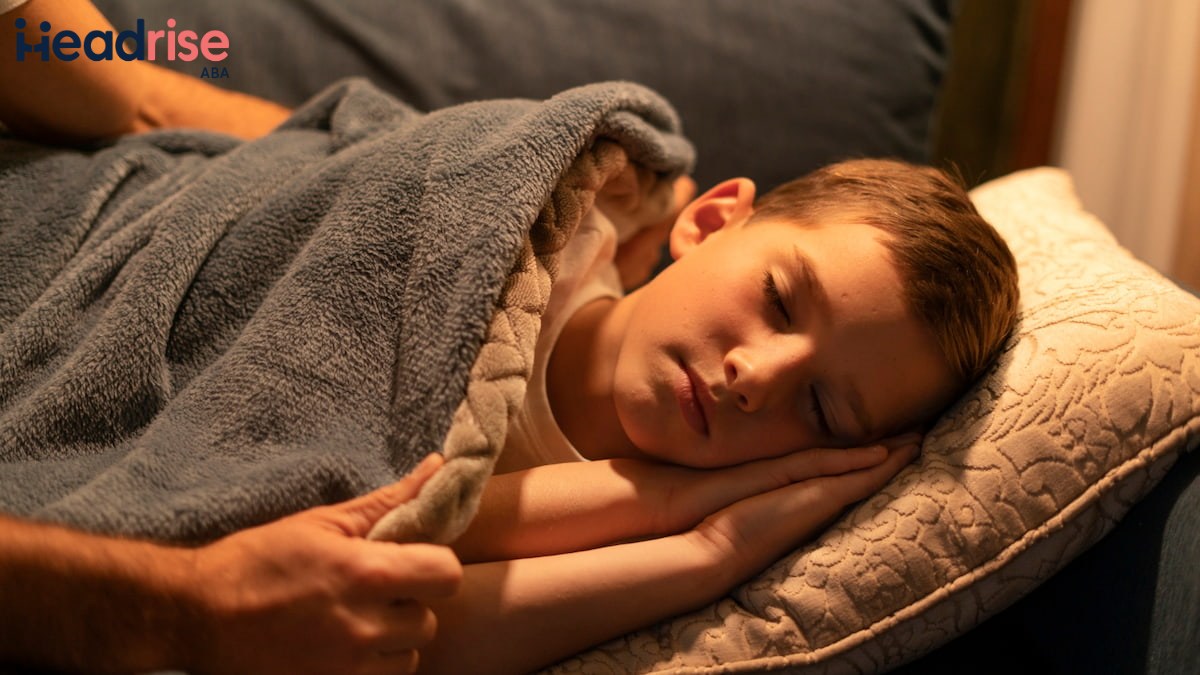
Sleep challenges affect the entire family, not just the child. Chronic sleep deprivation can leave parents feeling overwhelmed, isolated, and emotionally drained. It is important to set realistic expectations and celebrate small improvements. Progress may come in minutes gained, fewer night wakings, or calmer bedtimes. These changes matter.
Parents should seek support when needed, whether through trusted professionals, community resources, or family members. Taking turns responding to night wakings and prioritizing rest when possible can reduce burnout. Remember that improving sleep is a process. Compassion for yourself is just as important as consistency for your child.
Frequently Asked Questions
How long does it take for ABA-based sleep strategies to work?
Some families notice small improvements within weeks, while others need several months. Progress depends on consistency, the child’s needs, and how long sleep problems have been present.
Can ABA help without changing my child’s personality or comfort?
Yes. ABA focuses on teaching helpful behaviors, not changing who your child is. Strategies are adapted to respect sensory needs, preferences, and emotional wellbeing.
What if my child’s sleep problems get worse at first?
Temporary increases in night waking or resistance can happen as routines change. Staying consistent and calm usually leads to improvement as the child learns new sleep patterns.
Restore Rest With Consistent Support
Healthy sleep supports learning, behavior, and emotional regulation. Effective autism sleep interventions focus on predictability and gradual change.
At Headrise ABA, we work with families to create individualized bedtime routines and autism plans using proven sleep behavior ABA techniques. Parents receive practical guidance to maintain progress at home.
When sleep improves, daily life feels more manageable. Reach out to connect with a team committed to helping your family achieve more restful nights and steadier routines.