


Key Points:
- Spotting early signs of autism for New Jersey parents gives your child a stronger head start with speech, play, and daily routines.
- Watch for differences in eye contact, name response, gestures, and sensory reactions across the first three years.
- Acting on small signals leads to faster screenings, evaluations, and access to home-based ABA therapy across New Jersey.
You know your child better than anyone. The way they smile, the sounds they make, the games they love. So when something feels off, your gut often picks it up before anyone else does. This guide walks through the early signs of autism for New Jersey parents in a calm, clear way.
You will learn what to look for, what is just typical baby behavior, and when to ask for help. Early action makes a real difference. Children who get support before age three often gain stronger language, better play, and easier routines.
Across New Jersey, families now have more access to in-home therapy, autism assessments, and parent coaching. This guide focuses on practical knowledge, not panic. By the end, you will feel more confident about your next step.
What Autism Actually Looks Like in Young Children
Autism is a developmental difference. It shapes how a child communicates, plays, and reacts to the world. It is not a sickness, and it doesn’t look the same in every child. Some kids talk early but struggle to make eye contact. Others stay quiet for months past their first birthday. The signs of autism in NJ toddlers show up in patterns, not single moments.
You might notice your baby avoids your gaze during feeding. Or your toddler repeats the same hand movements when excited. These small differences add up over time. Across NJ, more families now ask for early ABA intervention once these patterns become clear.
Early Autism Indicators You Can Watch For
The autism symptoms in New Jersey children show up differently at each stage. Here is what to track from infancy through preschool age.
Signs in Babies (Birth to 12 Months)
The autism signs in babies in New Jersey often show up in social moments. Look for these gentle clues:
- Limited smiling or warm expressions by six months
- Little response to their own name by nine months
- Few back-and-forth sounds, coos, or gestures
- Avoidance of eye contact during feeding or play
- Stiff or floppy body posture during cuddles
A baby who is alert but not connecting socially may need a closer look from your paediatrician.
Signs in Toddlers (12 to 24 Months)
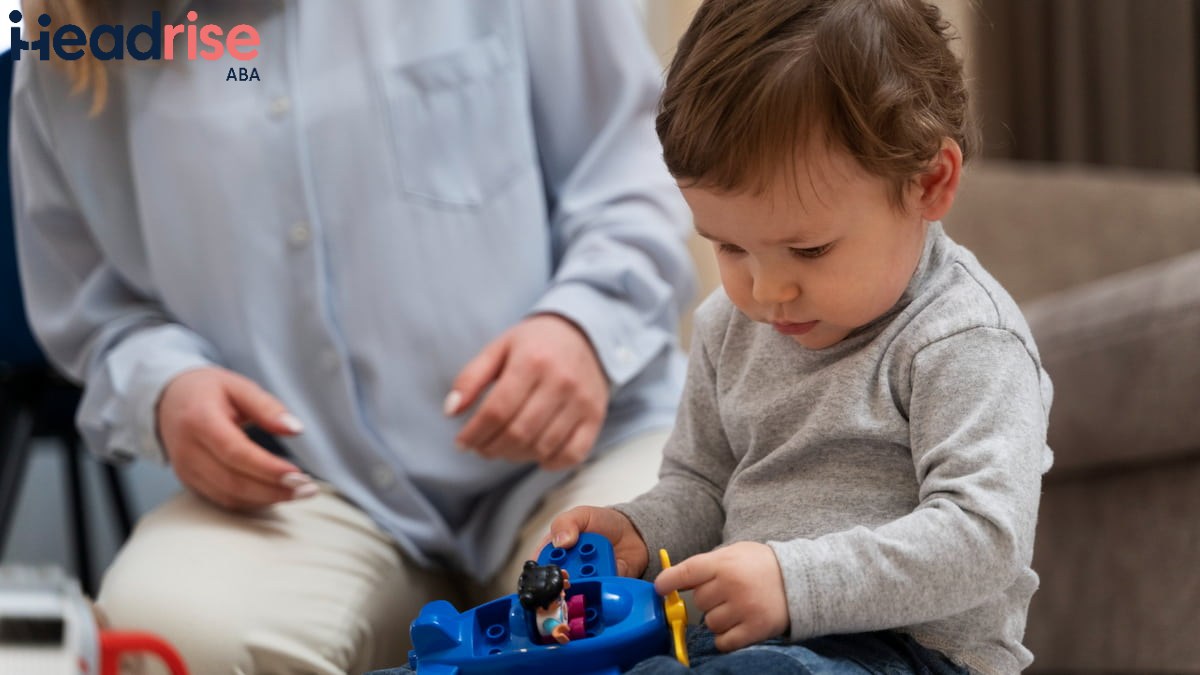
At this stage, the early autism indicators for New Jersey families get easier to spot. Watch for these patterns:
- No single words by 16 months
- No two-word phrases by 24 months
- Loss of words or skills they once had
- Big reactions to sounds, lights, or new textures
- Lining up toys or focusing on parts of objects
If your toddler doesn’t point or wave by 18 months, that’s worth raising at your next well visit. A step-by-step assessment process can help confirm what you are seeing.
Signs in Children Two to Three Years Old
Older toddlers and pre-schoolers may show these signs:
- Trouble joining other kids in play
- Repeating phrases from videos instead of real conversation
- Strong upset over small changes in routine
- Intense focus on one toy, topic, or texture
- Walking on toes or unusual body movements
Patterns That Often Get Missed in NJ Families
Some early autism indicators for New Jersey families get brushed off as quirky behavior. Parents hear ‘boys talk later’ or ‘she will grow out of it.’ That delay can cost months of progress.
Quiet Children Who Rarely Fuss
A calm baby is a gift. But a baby who rarely cries, babbles, or seeks comfort may be missing key social steps. Quiet doesn’t always mean content. Some early signs of autism for New Jersey parents show up through silence rather than struggle, which is why so many subtle clues get missed.
Bright Kids Who Talk Early
Some children speak in full sentences by age two. That doesn’t rule out autism. If a bright child struggles with back-and-forth chat, eye contact, or pretend play, the signs of autism in NJ toddlers can still apply. Many parents in Ocean County and Newark report missing these clues at first.
When to Take Action: How to Tell If a Child Has Autism in NJ
Trust your gut. If you have been wondering for weeks, the answer is yes, ask now. The early signs of autism for New Jersey parents become clearer once you move from worry to action. Knowing how to tell if a child has autism in NJ starts with a few simple steps:
- Talk to your paediatrician at the next well visit, using this recognizing autism early in NJ parent guide as a reference
- Request a screening tool like the M-CHAT
- Contact NJ Early Intervention if your child is under three
- Ask for a referral to a developmental specialist
- Keep a short log of behaviors and triggers at home
You can call NJ Early Intervention directly. You do not need a doctor’s referral. The service is free for children under three, and families in Jersey City and across the state use it as a starting point.
How NJ Families Get Started With Support
Once you understand how to tell if a child has autism in NJ, your next move is usually an evaluation. The process can feel slow, but each step builds toward real help. Families in Hamilton and Edison often start with their paediatrician, then move quickly into a full autism evaluation that looks at:
- Speech and language ability
- Social play and shared attention
- Behavior patterns and self-regulation
- Sensory responses to sound, light, and touch
- Daily living skills like dressing and eating
With results in hand, you can build a plan. Many NJ families pair therapies based on what each child needs most.
What Comes After a Diagnosis
A diagnosis is not a label. It is a key that opens doors to support. With it, you can access ABA therapy, speech help, and education planning. Many providers now offer in-home ABA therapy across NJ, which keeps your child in a calm and familiar place.
Therapy at this stage often focuses on:
- Building first words and gestures
- Reducing meltdowns and aggression through behavior support
- Teaching dressing, eating, and sleep routines
- Strengthening social play with peers
- Coaching parents to support progress at home
Once you understand the early signs of autism for New Jersey parents and what to do next, the path forward feels less scary. Most families also explore insurance and coverage options early to avoid delays. The autism signs in babies in New Jersey become clearer with time, but acting on the first signals makes the biggest difference.
Recognizing Autism Early in NJ: A Parent Guide to Trusting Your Gut

This recognizing autism early in NJ parent guide comes d own to one thing: trust what you see. Paediatricians have short visits and big checklists. You have hours each day with your child. Your notes, videos, and worries matter more than any single screening tool. The early signs of autism for New Jersey parents rarely show up during a 15-minute check-up.
Write down what you notice. Bring it to appointments. Ask for a referral if your concerns are not heard. Families in Toms River and Lakewood who pushed for early answers often get faster support. The early signs of autism for New Jersey parents rarely shout. They whisper. Listen anyway, and reach out to a trusted ABA provider once your gut says it is time.
Frequently Asked Questions
1. What age can autism be diagnosed in New Jersey?
A reliable diagnosis can happen between 18 and 24 months. Many NJ providers screen earlier, especially for siblings of autistic children. Earlier action gives your child a stronger start.
2. Are early signs of autism the same in boys and girls?
Not always. Girls often mask signs by copying peers or staying quiet. The autism symptoms in New Jersey children may look softer in girls, so trust subtle clues like social fatigue, sensory issues, or scripting.
3. Can my child show signs of autism and still not have it?
Yes. Some behaviors overlap with hearing issues, sensory processing differences, or speech delays. A full evaluation gives clarity instead of guesses, which is why screening matters.
4. Will my child need ABA therapy if signs show up early?
Not every child does, but many benefit. Early intervention ABA services teach communication, behavior, and life skills using daily routines. The earlier it starts, the smoother the path.
5. How do I get an evaluation in New Jersey?
Start with your paediatrician or NJ Early Intervention. You can also reach out to a local clinic that handles the autism diagnosis process. Many NJ providers offer screenings without long waits.
Catch the Cues Early, Shape the Path Forward
The early signs of autism for New Jersey parents often whisper before they speak. Catching them gives your child a real head start, and that head start matters more than any test score. Small steps at home grow into stronger words, calmer days, and easier routines for the whole family.
Headrise ABA helps New Jersey families turn early observations into clear action. Our clinicians walk you through screening, evaluation, and in-home therapy so you never feel lost in the process.
Reach out to our team today and let our New Jersey clinicians help you understand the early signs of autism for New Jersey parents, plan next steps, and start support that fits your child.