

Key Points:
- Knowing what in-home ABA therapy is in New Jersey helps you decide if home-based care fits your child’s routines and your family schedule.
- Sessions blend learning and play in real rooms, with a trained therapist using your child’s own toys, snacks, and daily moments.
- Parents see progress faster when therapy meets the child where they live, learn, and feel safe every day.
If you have been searching for therapy options, you have probably hit a wall of jargon. Acronyms, schedules, billing codes, hours per week. Most of it doesn’t explain the basic question: what is in-home ABA therapy in New Jersey, and what will it actually look like inside your home?
This guide answers that in plain language. You will learn how sessions start, who walks through your door, what your child does during a session, and how progress gets tracked.
We will also cover what good in-home ABA therapy in NJ looks like so you can spot the right fit. By the end, you will feel ready to ask smart questions and pick a trusted ABA provider with confidence.
The Simple Definition of In-Home ABA Therapy
ABA stands for Applied Behavior Analysis. It is a method that breaks big skills into small steps, then teaches each step using reward and repetition. In-home ABA means those lessons happen inside your house, not at a clinic. A therapist comes to you, often several days a week.
So when parents ask what in-home ABA therapy in New Jersey is, the short answer is this: structured learning, done at home, built around your child’s real life. It uses your child’s toys, your kitchen table, and the routines you already do. That’s why families across Ocean County and Bergen County often choose this setting first.
How In-Home ABA Therapy Works in NJ From Day One
Understanding how in-home ABA therapy works in NJ starts with the intake. Here is the typical path most families follow.
Step 1: Initial Consultation
You speak with the provider, share concerns, and confirm insurance. Many offices in NJ handle this call in under 30 minutes. They explain hours, scheduling, and the ABA assessment process you can expect next. Many parents use this call to ask what in-home ABA therapy in New Jersey is, in their own words, and a good intake team should welcome those questions. You can also check the provider FAQ page before you call.
Step 2: Assessment at Home
A Board Certified Behavior Analyst, or BCBA, visits your home. The BCBA is the lead clinician for your child’s case. They watch your child play, talk with you, and run a few short skill checks. This visit usually takes two to three hours.
Step 3: The Treatment Plan
The BCBA writes a plan based on what they saw. The plan lists goals like ‘request water using words’ or ‘tolerate teeth brushing for two minutes.’ Goals are small, real, and measurable. The plan also sets weekly hours and target dates.
Step 4: Therapy Begins
A Registered Behavior Technician, or RBT, starts running sessions in your home. The RBT is the therapist your child sees most often. The BCBA supervises and adjusts the plan as your child grows. This is the part of the home ABA therapy process in NJ that families see most.
What Happens During In-Home ABA Therapy in NJ
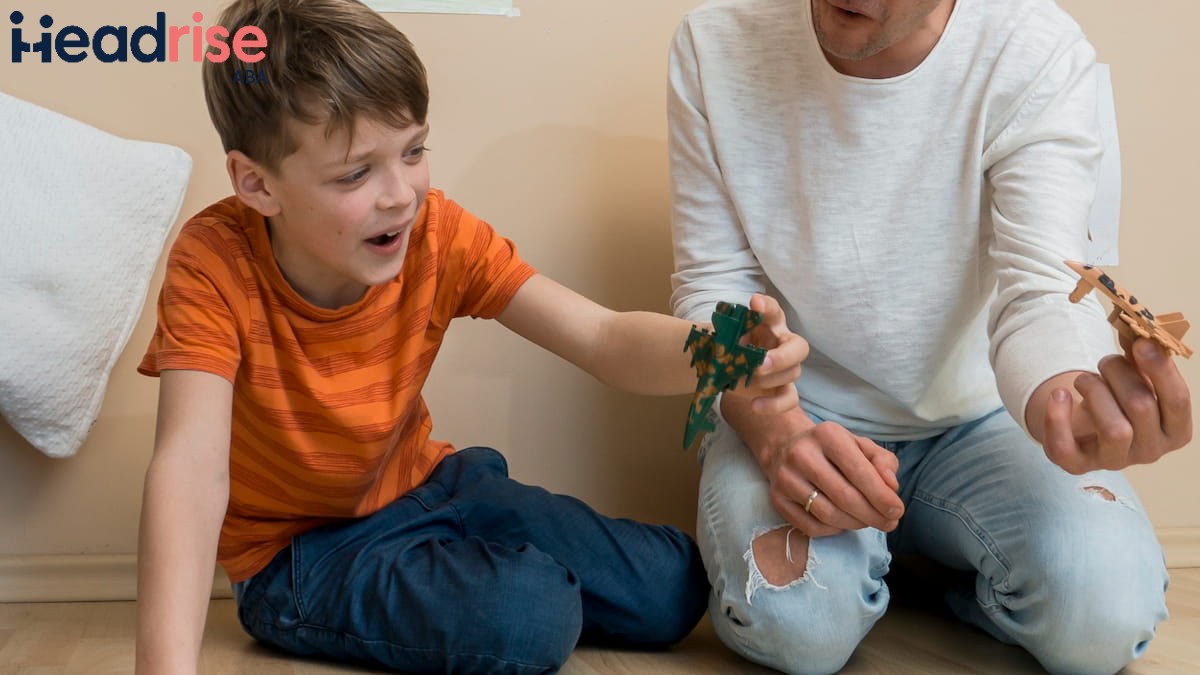
This is the question most parents ask after intake. What happens during in-home ABA therapy in NJ depends on your child’s age and goals, but the rhythm tends to be similar across families. The how in-home ABA therapy works in NJ answer becomes obvious once you see a session in action.
A typical two-hour session might include:
- A warm-up activity your child likes, such as bubbles or blocks
- Short skill drills using flashcards, toys, or pretend play
- Practice with daily tasks like asking for snacks or putting on shoes
- Reward breaks with favorite items or movement games
- Notes and data taken quietly by the RBT throughout
Sessions feel like play. Children rarely notice the structure underneath. That is the design. ABA teaches through fun moments, not drills at a desk. This is also why building social skills often happens during these home sessions across Elizabeth and Clifton homes.
Who Delivers In-Home ABA Therapy
Quality matters here. The in-home ABA therapy explained for New Jersey families without the team behind it is incomplete. Here is who you will meet:
- BCBA: The senior clinician who designs and supervises the plan
- RBT: The day-to-day therapist who runs sessions with your child
- Clinical Director: Often oversees multiple BCBAs and case quality
- Parent Coach: Trains you in ABA parent strategies so progress carries between sessions
Ask any provider how often the BCBA visits the home. A strong program includes BCBA oversight at least once or twice a month, sometimes more. Families in Hudson County and Middlesex County often ask about this directly during intake.
Why NJ Families Choose Home-Based ABA
The home ABA therapy process in NJ has real advantages for many children. Home is where meltdowns happen. Home is where bedtime, mealtime, and dressing happen. Teaching those skills in the place they actually occur creates faster, deeper learning. That is the heart of what in-home ABA therapy in New Jersey is for most families.
Common reasons NJ parents pick home-based care:
- Less travel stress, no clinic commute through traffic
- Real-world practice with siblings, pets, and routines
- Easier sessions for young children who tire quickly
- Direct parent involvement and live coaching moments
- Better support for sleep and feeding challenges
Many parents in Hoboken say sessions in the kitchen and bedroom drive faster gains than clinic work. Skills generalize naturally when the setting matches daily life.
What to Prepare in Your Home Before Sessions Start
You don’t need a therapy room. You don’t need fancy equipment. The in-home ABA therapy guide for New Jersey parents keeps setup simple. The therapist brings most materials. Your job is to create a calm space where learning can happen.
A good home setup includes:
- A quiet corner with low TV and screen distraction
- A small table or floor space for play activities
- Favorite toys, snacks, and reward items within reach
- A short list of current concerns to share with the BCBA
- Time blocked in your calendar so the session runs on schedule
Sessions usually run two to four hours, several times a week. Some children get 10 hours weekly, others 30. The right amount depends on the assessment results and your insurance approval. Families in Howell and Trenton often start with smaller weekly hours and scale up once their child adjusts.
How Progress Gets Tracked
Good ABA runs on data. The RBT records every trial, every word, every reward used. The BCBA reviews this data weekly. You receive progress reports every three to six months, depending on insurance rules.
Ask your provider:
- How often do you share progress with parents?
- Can I see weekly data summaries?
- What happens when goals are met or missed?
- How do you involve me in goal updates?
Real progress is visible. You should see new words, fewer meltdowns, and easier routines within the first few months. If you don’t, ask why. This is part of choosing the right ABA provider.
How Does Home ABA Therapy Work With Parent Involvement
The question of how home ABA therapy works in NJ is incomplete without parents. You are not a guest in your child’s sessions. You are a key part of them. Strong programs train you to use the same strategies during meals, bath, and bedtime. What is in-home ABA therapy in New Jersey without parent involvement? Just a few isolated hours that rarely stick.
This blend of therapist time and parent practice is what makes home-based care so powerful. Families in Jersey City and Brick Township often see the biggest gains in households where parents stay engaged with structured parent training. That is how home ABA therapy works in NJ at its best: therapist-led skill building backed by daily parent practice.
Frequently Asked Questions
1. How many hours per week does in-home ABA usually take?
It varies. Younger children with intense needs often get 20 to 40 hours weekly. Older kids may get 10 to 20 hours. Your BCBA recommends hours based on assessment results and insurance approval.
2. Does in-home ABA work for older children?
Yes. The in-home ABA therapy guide for New Jersey parents applies to ages 18 months through teen years. Goals shift with age. Younger kids focus on language, while teens often work on social skills and independence.
3. Will my child be ready for school after in-home ABA?
Many children gain the skills they need for preschool or kindergarten through home sessions. Some shift to center-based programs before school. Your BCBA helps you plan the next step based on progress.
4. Can siblings join the sessions?
Sometimes yes, sometimes no. Early sessions usually stay one-on-one to focus on your child. Later, siblings often join for social play goals. This depends on the plan your BCBA builds.
5. What if my child resists therapy at first?
That’s normal. Good RBTs build trust before pushing skills. Your child may protest the first few sessions. Within two to three weeks, most kids relax and engage. Ask your BCBA what to do if resistance lasts longer.
Bring Therapy Home, Build Skills That Stick
Your home is where your child learns best. Meals, bedtime, and play already shape their day, so why not teach new skills in the same rooms? What in-home ABA therapy in New Jersey comes down to this: learning that fits your life instead of fighting it.
Headrise ABA brings trained NJ clinicians to your front door so your child grows in the place they feel safest. Our team builds plans around your routines, your concerns, and the goals that matter most to your family.
Contact our intake team to learn how in-home ABA therapy explained for New Jersey families can start within weeks, not months, and how we shape sessions around your child’s real world.