


Key points
- Some autistic adults say childhood ABA hurt them. Their voices matter and deserve a serious, respectful hearing.
- Today’s best practice stresses respect, choice, and assent. Ask every provider how they protect your child’s comfort.
- Ask who delivers therapy, how staff respond to distress, and how you can pause or stop a session.
You want to help your child. Your worry is reasonable. Then you read a post saying ABA hurt someone. Another says ABA changed a family’s life. So, is ABA therapy harmful? The honest answer is that it depends on how it is delivered, and the debate is real.
This guide explains the criticism, shares what research and autistic adults say, and describes what modern ABA looks like. It will not tell you what to choose. It will help you ask sharper questions and spot warning signs. We share both sides, since parents deserve the full picture. Nothing here replaces advice from your child’s doctor.
Start with how one New Jersey and New York team describes its values, then compare every provider you meet. You know your child best. Take your time, and take notes. Share what you learn with your partner or a trusted friend. Be gentle with yourself, too.
Why Is ABA Therapy Controversial?
Why is ABA therapy controversial? The roots go back decades. Early programs in the 1960s and 1970s used punishment and aimed to make autistic children look like their peers. Many people now see those goals and methods as wrong. The debate continues, since modern ABA looks very different from provider to provider.
A Short History
In the 1960s, researchers tried to teach autistic children with strict rules, and some programs used slaps, shouts, or even electric shock. Those methods were widely criticized. Most modern programs and professional codes reject them. Still, that history fuels the ABA therapy controversy and shapes how many families feel today.
ABA Therapy Controversy: What Autistic Adults Say
The ABA therapy controversy is not only about history. In one small study, reflections from ten autistic adults pointed to a mostly harmful impact of childhood ABA. A small study cannot speak for everyone. Still, ignoring these voices would be a mistake.
Why Are People Against ABA Therapy?
Why are people against ABA therapy? Common worries include:
- Goals that focus on compliance over comfort
- Adults choosing goals without the child’s input
- Treating harmless traits, like stimming, as problems
- Painful or aversive methods in the past
- Pressure to hide autistic traits, called masking
- Long hours with little time for rest or play
If hours worry you, read common questions about ABA therapy. Families in New Jersey can also ask any provider how it handles these concerns.
Supporters point to skill gains, clear data, and safer routines for many families. They also say harmful practices are not true to modern standards. Both views can include real experiences, and both deserve to be heard.
Is ABA Therapy Ethical? What Has Changed
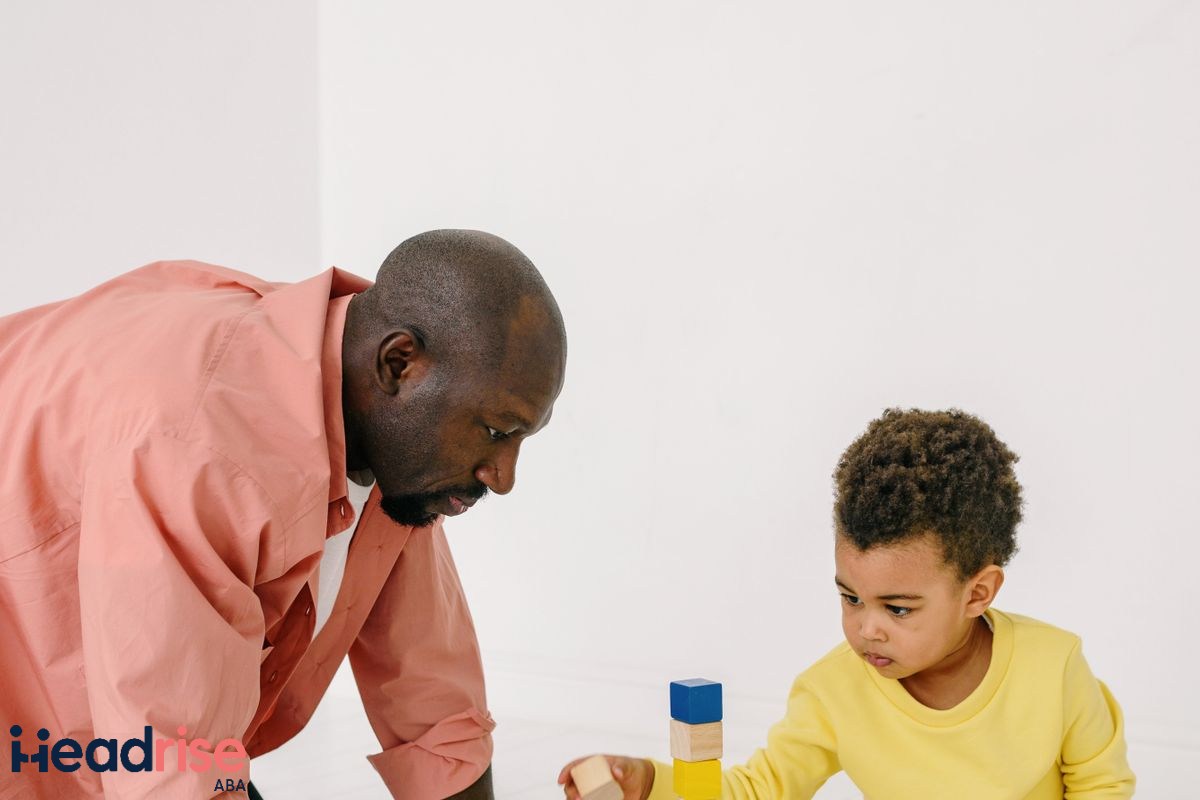
Is ABA therapy ethical today? That depends on the team. Professional ethics rules now ask behavior analysts to seek a child’s assent along with a parent’s consent. Experts still debate how assent should work in practice, so ask providers to show you how they do it.
- Goals set with you and, when possible, your child
- Positive reinforcement as the main tool
- Breaks, choices, and a way to say stop
- Play and comfort built into sessions
- Regular updates and parent training
Those are signs of respectful care. You can see them in in-home ABA sessions, where you can watch and ask questions. ABA parent training also lets you practice the methods yourself.
What Is Assent?
Assent means a child’s own agreement to take part. Consent is a parent’s permission. A child who pulls away, cries, or says stop is giving a message. Teams that respect assent pause, check in, and adjust the plan. That is the heart of respectful care.
Positive reinforcement means rewarding a skill so it happens more often. A reward can be praise, a toy, or play. Critics note that rewards can still pressure a child, so teams should offer real choices and follow a child’s signals.
ABA Therapy Abuse: Take Reports Seriously
Any report of ABA therapy abuse deserves serious attention. Warning signs include staff who ignore crying, use restraint without training or need, withhold food or comfort, or ask you to stay silent. Stop therapy if you see these signs and contact the provider’s leadership, your insurer, and your state agency.
Pros and Cons of ABA Therapy
A fair look at the pros and cons of ABA therapy includes both lists. Neither list tells you what is right for your child.
| Possible pros | Possible concerns |
| Builds communication and daily living skills | Can feel repetitive or demanding for some children |
| Uses data to track progress | Can overvalue compliance if goals are not child-led |
| Includes parent training and coaching | Intensive hours can leave little free time |
| Can reduce unsafe behavior | Some autistic adults report lasting distress |
Benefits and concerns can both be true for the same program. Ask how a team balances them. Families in New York and near Toms River can ask for examples from real sessions. Ask yourself which items on each list matter most to your family. A child who needs safety skills may weigh the pros differently than a child who is thriving. Talk with your child’s doctor, and with your child, if possible. Many families keep both lists on the fridge and revisit them every few months.
Is ABA Therapy Harmful? How to Judge a Program

Use your own eyes. Watch a session. Ask your child, in whatever way they communicate, how it feels. Notice whether your child looks safe, curious, and calm. Trust your instincts. If something feels wrong, it deserves a closer look.
- How do staff respond when my child is upset?
- Can my child take a break at any time?
- How are goals chosen, and can I change them?
- Who supervises staff, and how often?
- What methods do you never use?
When to Stop or Switch
If your child seems afraid, shuts down, or loses joy in play, speak up. Ask the team to change the plan. If nothing changes, you can pause, switch providers, or try another approach. Is ABA therapy harmful when teams ignore distress? It can be. Your child’s wellbeing comes first. If you still ask why people are against ABA therapy, talk with autistic adults and read their words.
What Modern ABA Looks Like
Headrise ABA lists being respectful, supportive, and empowering among its values, and says BCBAs closely supervise its therapists. Ask any provider to show how those values appear in sessions, whether you live in Brooklyn or elsewhere. See how ABA therapy in Brooklyn works at home.
Frequently Asked Questions
Is ABA therapy harmful for every child?
No. Experiences differ. Some families report real gains, and some autistic adults report lasting harm. How therapy is delivered, who sets the goals, and how a child’s comfort is protected all matter a great deal.
Why is ABA therapy controversial today?
Critics point to its history of punishment, a focus on compliance, and pressure to hide autistic traits. Supporters point to skill gains and safety. Both groups agree that respect and consent matter.
Is ABA therapy ethical when a child cannot speak?
It can be, if the team watches for assent through body language, choices, and signals, honors a no, and keeps your child safe. Ask providers how they teach and respect a child’s way of saying stop.
What are the pros and cons of ABA therapy for my child?
Pros can include new skills, clear data, and parent coaching. Cons can include stress, long hours, and a focus on compliance. Your child’s temperament, goals, and the team’s style decide which list matters more.
What should I do if I suspect ABA therapy abuse?
Stop the session if your child is in danger. Document what you saw, and contact the provider’s leadership, your insurer, and your state agency. Seek medical care if your child is hurt, and talk with your child’s doctor.
Choose Care That Respects Your Child
Imagine sitting in on a session. Your child laughs, takes a break when needed, and picks the next game. Look for calm faces and real choices. That picture is the best answer to the question, is ABA therapy harmful, that any article can give. Watch for it.
Headrise ABA offers BCBA-led therapy in New Jersey and New York. The team lists respect, support, and empowerment among its values, and parents can join training to see and practice the methods firsthand. Headrise says its therapists are closely supervised.
Want to ask the hard questions? Reach out to us and ask them all. No question is too blunt, and you deserve straight answers. Your questions help any team serve your child better.